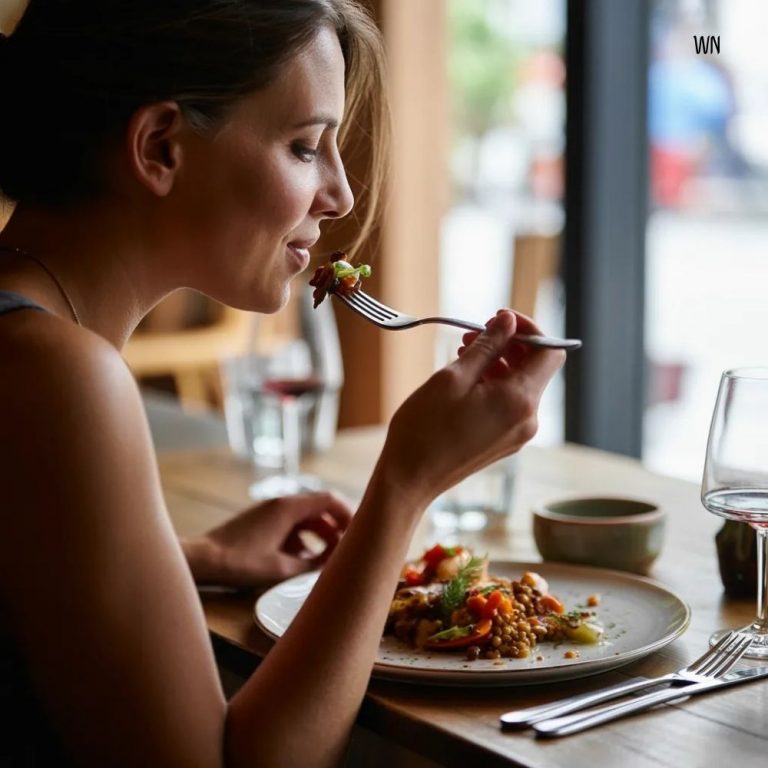
Understanding Healthy Eating Without Strict Rules
For many people, the idea of healthy eating comes with an unspoken assumption: there must be rules. Rules about timing, portions, food groups, and combinations. Rules about what should be limited, avoided, or earned. Even when people aren’t actively dieting, these rules often linger quietly in the background, shaping food choices and adding mental weight…
For many people, the idea of healthy eating comes with an unspoken assumption: there must be rules. Rules about timing, portions, food groups, and combinations.
Rules about what should be limited, avoided, or earned. Even when people aren’t actively dieting, these rules often linger quietly in the background, shaping food choices and adding mental weight to everyday eating.
We want to explore a different way of understanding healthy eating. One that doesn’t rely on strict rules or constant self-monitoring, but still supports health, energy, and well-being.
Healthy eating without rigid structure is not careless or uninformed. In many cases, it’s more sustainable, more supportive, and more aligned with how the body actually works.
Why Strict Food Rules Often Backfire Over Time
Food rules are usually created with good intentions. They promise clarity, control, and better health outcomes. At first, rules can feel comforting because they reduce uncertainty. You know what you’re supposed to eat and what you’re supposed to avoid. Over time, however, these same rules often create tension.
When eating becomes rule-driven, the focus shifts from nourishment to compliance. Meals are evaluated rather than experienced. Hunger and satisfaction signals are overridden in favor of external guidelines. This disconnect can make eating feel stressful instead of supportive.
Over the long term, strict rules often lead to cycles of restriction and compensation. When rules are broken, guilt appears. When guilt appears, trust in the body weakens. This pattern doesn’t support health. It creates friction between intention and reality.
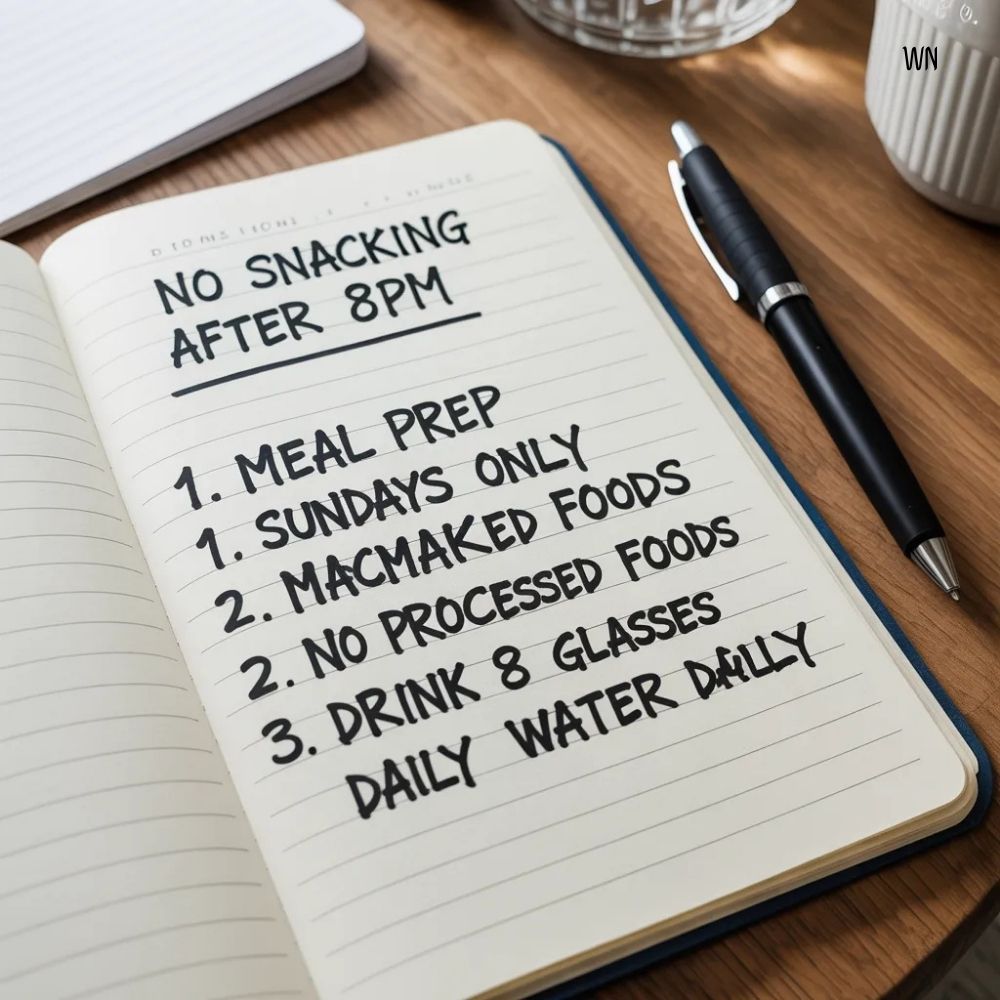
Healthy Eating Is a Pattern, Not a Performance
One of the most helpful shifts in understanding nutrition is realizing that health is shaped by patterns over time, not by individual meals. A single choice doesn’t define your health any more than one night of poor sleep defines your energy forever.
When eating is viewed as a long-term pattern, pressure decreases. You don’t need to optimize every meal. You need nourishment to show up regularly and in a form your body can use. This perspective allows flexibility without abandoning care.
Patterns are forgiving. They allow for variety, enjoyment, and real-life interruptions. They support health quietly, without requiring constant attention or discipline.
Listening to the Body Works Better Than Following Rules
The body has built-in systems for regulating hunger, fullness, and energy needs. These signals aren’t perfect, and they can be influenced by stress, routine, and past experiences, but they are still valuable sources of information.
Strict food rules often silence these signals. You eat because it’s time, not because you’re hungry. You stop because a portion is “correct,” not because you’re satisfied. Over time, this can make hunger feel confusing and satisfaction unreliable.
When rules are loosened, the body has room to communicate again. Hunger becomes clearer, fullness more noticeable, and food choices more intuitive. This doesn’t happen overnight, but many people find that eating becomes calmer and more predictable once they stop overriding internal cues.
Balanced Eating Doesn’t Require Perfection
Balance is often misunderstood as something that must be achieved at every meal. In reality, balance happens across days and weeks, not within a single plate. Some meals are lighter, some are richer. Some are planned, others are spontaneous. The body adapts to this variation naturally.
Healthy eating without strict rules allows balance to emerge organically. When no food is forbidden, cravings tend to soften. When meals are satisfying, urgency around food decreases. Over time, many people naturally gravitate toward a mix of foods that support both enjoyment and well-being.
Balance is not something you force. It’s something that develops when eating is allowed to be flexible and responsive.

Satisfaction Is a Core Part of Health
One of the most overlooked aspects of healthy eating is satisfaction. Meals that don’t satisfy often lead to ongoing hunger, snacking, or preoccupation with food. This isn’t a lack of willpower. It’s the body asking for what it needs.
Strict rules often prioritize numbers or categories over experience. Food may meet nutritional criteria but fail to satisfy emotionally or physically. When satisfaction is missing, eating becomes fragmented.
Understanding healthy eating means recognizing that satisfaction is not optional. It’s a signal that the body’s needs were met. Meals that satisfy tend to support steadier energy, better mood, and a calmer relationship with food.
Letting Go of Rules Reduces Mental Load
Food decisions require mental energy. When rules are complex or rigid, that energy use increases. You may find yourself constantly evaluating, calculating, or second-guessing choices. This mental load adds stress that often goes unnoticed.
Healthy eating without strict rules simplifies decisions. Instead of asking whether a food is allowed, you ask whether it sounds good, feels nourishing, or fits the moment. This shift reduces cognitive effort and makes eating feel more natural.
Reducing mental load around food has ripple effects. It frees attention for other parts of life and reduces stress that can interfere with digestion and appetite regulation.
Health Is Influenced by More Than Food Alone
Strict nutrition rules often imply that food is the primary determinant of health. In reality, sleep, stress, movement, emotional well-being, and social connection all play major roles. When food is overemphasized, these other factors can be overlooked.
A flexible approach to eating allows space to consider the bigger picture. You might notice that poor sleep affects appetite, or that stress changes how hunger shows up. Understanding these interactions leads to more compassionate and effective health choices.
Healthy eating exists within a broader lifestyle context. Removing rigid rules makes it easier to see that context clearly.
Rebuilding Trust With Food Takes Time
For people who have lived with food rules for a long time, letting go can feel unsettling at first. Rules offer structure, and removing them may bring uncertainty. This is a normal part of the transition.
Over time, however, many people find that trust replaces control. Eating becomes less reactive and more intentional. The body learns that food is available, allowed, and supportive, which reduces urgency and anxiety.
Trust is built through repetition, not force. Each calm, satisfying meal reinforces the idea that eating can be safe and supportive without strict rules.
Understanding Nutrition Without Obsession
Letting go of strict rules doesn’t mean ignoring nutrition knowledge. It means using information as a guide rather than a mandate. Understanding how food supports energy, digestion, and mood can inform choices without dictating them.
Education becomes empowering when it’s flexible. You use what’s helpful and leave what isn’t. This approach respects both science and lived experience. Healthy eating thrives when knowledge supports curiosity rather than control.
No one eats “perfectly,” and perfection is not required for health. Meals vary. Appetites change. Preferences evolve. Accepting this imperfection removes unnecessary pressure.
When eating is allowed to be imperfect, it becomes more resilient. You recover easily from disruptions and return to supportive habits without guilt or urgency. This resilience is a sign of health, not a lack of discipline.
Final Thoughts
Understanding healthy eating without strict rules means shifting focus from control to care. It means recognizing that health is shaped by patterns, satisfaction, and consistency rather than perfection or compliance.
We encourage you to approach eating with curiosity and flexibility. When food is allowed to support both the body and the mind, healthy eating becomes something you live with ease rather than something you manage. Over time, that ease often leads to better health outcomes than any set of rigid rules ever could.