Why Sustainable Health Habits Feel Easier to Maintain
Many people believe that health habits should feel challenging in order to be effective. There is a quiet assumption that if something feels easy, it must not be doing much. As a result, health routines often start with intensity, strict structure, or high expectations. They may work briefly, but over time they begin to feel…
Many people believe that health habits should feel challenging in order to be effective. There is a quiet assumption that if something feels easy, it must not be doing much.
As a result, health routines often start with intensity, strict structure, or high expectations. They may work briefly, but over time they begin to feel heavy, fragile, or exhausting to keep up with.
We want to look at why sustainable health habits feel easier to maintain, and why that ease is not a weakness but a sign that a habit is actually working. Health habits that last tend to fit naturally into daily life rather than compete with it.
They support the body without demanding constant effort, decision-making, or motivation. When habits feel lighter, they are more likely to stay.
Sustainable Habits Work With the Body Instead of Against It
One reason sustainable habits feel easier is that they align with how the body naturally functions. The body prefers regularity, adequate support, and predictable rhythms. Habits that fight these preferences often require constant mental effort to maintain.
For example, consider eating regular meals versus skipping meals and relying on willpower. Eating at consistent times supports stable energy, clearer hunger signals, and steadier mood.
Once this pattern is established, the body begins to expect nourishment at certain intervals, making the habit feel almost automatic. Skipping meals, on the other hand, requires repeated negotiation with hunger, energy dips, and irritability, which makes the habit feel difficult even if it was chosen intentionally.
Sustainable habits feel easier because they reduce friction between intention and physiology. When the body feels supported rather than strained, cooperation replaces resistance.
Habits That Reduce Decision-Making Are Easier to Keep
Another reason sustainable habits feel easier is that they minimize the number of decisions you have to make. Decision fatigue plays a larger role in health than most people realize. Every choice requires mental energy, and health routines that demand constant evaluation eventually become exhausting.
A simple example is movement. A habit like “I go for a 20-minute walk after dinner most evenings” removes the need to decide when, how, or whether to move. It becomes part of the day’s rhythm. In contrast, a habit like “I’ll exercise when I feel motivated” requires repeated decision-making, which often leads to inconsistency.
Sustainable habits feel easier because they simplify life rather than add complexity. They free mental space instead of consuming it.
Sustainable Habits Feel Flexible, Not Fragile
Rigid habits often feel manageable at first, but they become fragile over time. One disruption can make the entire routine feel broken, which leads many people to abandon it altogether. Sustainable habits feel easier because they allow for flexibility without losing their core function.
Take sleep routines as an example. A rigid bedtime that allows no variation can feel stressful and difficult to maintain during busy periods.
A sustainable sleep habit might focus instead on consistent wind-down cues, like dimming lights, avoiding stimulating activities late at night, or maintaining a general bedtime range rather than a strict hour. This allows the habit to adapt while still supporting rest.
When habits can bend without breaking, they create less pressure. This flexibility is one of the main reasons they last.

Sustainable Habits Produce Positive Feedback Early
Habits that feel easier to maintain often provide noticeable benefits relatively quickly. These benefits may be subtle, but they reinforce the habit naturally without requiring discipline.
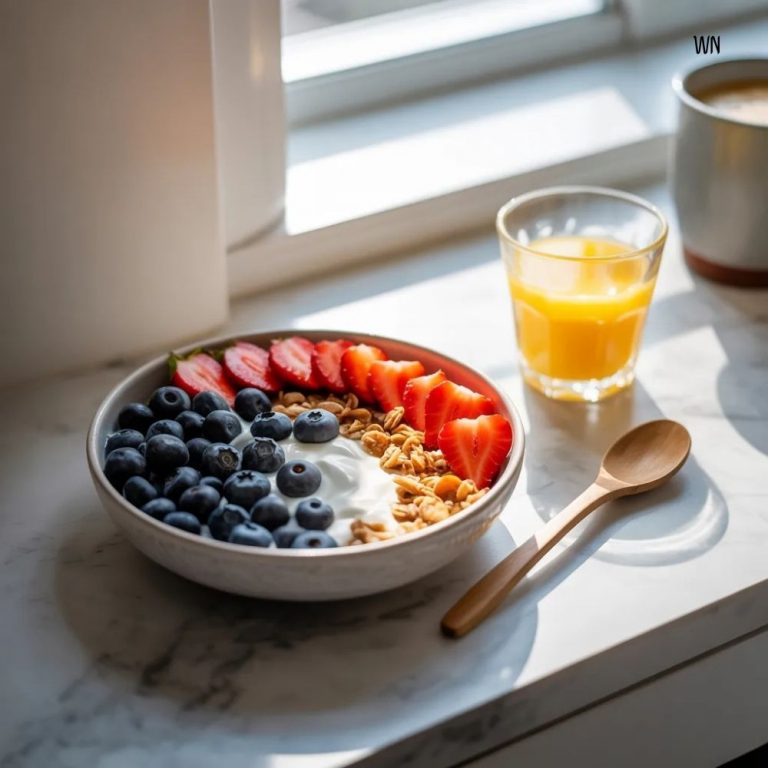
For instance, eating a balanced breakfast may lead to steadier energy, fewer mood swings, or better focus by mid-morning. These effects make the habit feel worthwhile without needing reminders or tracking. In contrast, habits that promise distant rewards but feel uncomfortable in the present rely heavily on motivation, which tends to fluctuate.
When a habit improves how you feel in your daily life, it creates its own momentum. Ease grows from reinforcement, not force.
Sustainable Habits Fit Real Life, Not Ideal Life
Many health routines fail because they are built around an idealized version of life rather than the one you actually live. Sustainable habits feel easier because they account for time constraints, energy levels, family responsibilities, and unpredictable days.
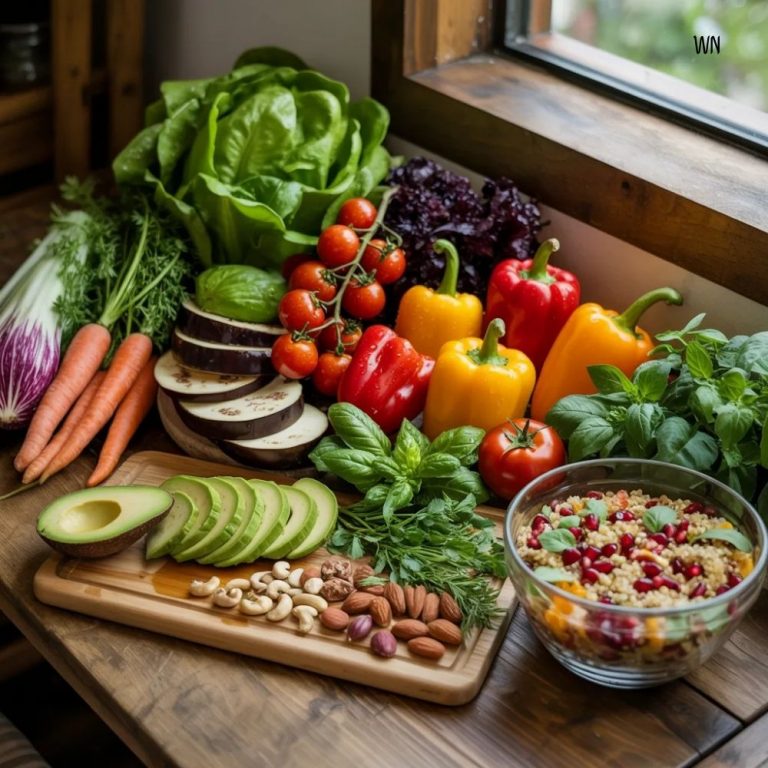
Consider meal preparation. A habit like cooking every meal from scratch may sound healthy, but it can become overwhelming quickly. A more sustainable habit might include a mix of home-cooked meals, simple assembly meals, and convenient options.
This approach still supports nourishment while respecting real-world limits. Habits that fit real life don’t require constant adjustment or guilt. They meet you where you are.
Sustainable Habits Lower Stress Instead of Adding It
Health habits that increase stress often backfire, even if they are well-intentioned. Stress affects sleep, digestion, immune function, and emotional regulation, all of which are core components of health.
A sustainable habit lowers overall stress rather than contributing to it. For example, gentle daily movement like walking may support cardiovascular health while also calming the nervous system. This dual benefit makes the habit feel supportive rather than demanding.
When a habit reduces stress, it becomes something you look forward to rather than something you endure.
Sustainable Habits Build Identity Slowly and Naturally
Habits that last often become part of how you see yourself, but this identity develops gradually. Sustainable habits feel easier because they don’t require immediate self-definition or performance.
For instance, someone who begins walking regularly doesn’t need to think of themselves as “a fitness person.” They are simply someone who walks most days. Over time, this identity solidifies without effort.
When habits are allowed to integrate slowly, they feel natural rather than forced. Identity grows from repetition, not declarations.
Sustainable Habits Don’t Rely on Motivation
Motivation fluctuates naturally. Habits that require high motivation tend to fade when energy dips. Sustainable habits feel easier because they don’t depend on motivation to function.
They are built into routine, supported by environment, and reinforced by how they make you feel. Even on low-energy days, they remain accessible. This independence from motivation is one of their greatest strengths.
There is a cultural tendency to equate ease with lack of effort. In health, ease often signals that a habit aligns well with both body and life. When something feels easier over time, it usually means the habit has been well chosen. Difficulty does not equal effectiveness. Sustainability does.
Final Thoughts
Sustainable health habits feel easier to maintain because they support the body, reduce decision-making, adapt to real life, and provide ongoing reinforcement. They lower stress instead of adding to it, and they grow naturally through repetition rather than pressure.
We encourage you to view ease as useful information, not something to distrust. Habits that feel lighter are often the ones that last longest and support health most effectively.
When health habits fit into your life instead of competing with it, maintenance becomes less about discipline and more about care, which is exactly where long-term health thrives.