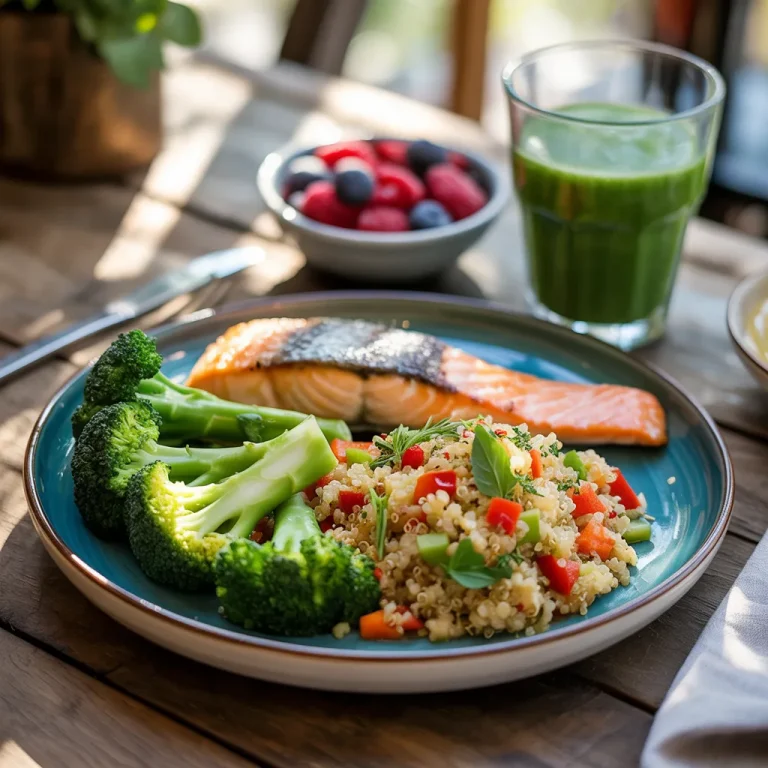
The Overlooked Reason Meals Sometimes Don’t Keep You Full
Many people assume that when meals don’t keep them full, it must be a matter of portion size, willpower, or food quality. You may hear advice to eat less, eat more protein, cut carbs, add fiber, or avoid certain ingredients altogether. Over time, this flood of suggestions can make eating feel confusing rather than supportive….
Many people assume that when meals don’t keep them full, it must be a matter of portion size, willpower, or food quality. You may hear advice to eat less, eat more protein, cut carbs, add fiber, or avoid certain ingredients altogether. Over time, this flood of suggestions can make eating feel confusing rather than supportive.
We want to look at a quieter, often overlooked reason meals sometimes don’t keep you full. Not in a way that blames choices or bodies, but in a way that helps explain what’s actually happening when hunger returns sooner than expected.
Fullness is not just about calories or volume. It’s about how the body experiences a meal as a whole, both physically and neurologically.
Fullness Is a Process, Not a Switch
One reason meals fail to keep you full is the assumption that fullness is immediate and purely mechanical. Eat enough, and you should feel satisfied.
In reality, fullness is a process that unfolds over time, involving digestion, blood sugar response, hormone signaling, and nervous system feedback.
When a meal doesn’t engage this process fully, the body may register that food was eaten without registering that it was nourishing.
This disconnect often leads to lingering hunger or a desire to eat again soon, even if the meal looked adequate on paper. The body doesn’t respond to food labels. It responds to signals.

The Overlooked Factor: Meals That Lack “Staying Power”
The most common overlooked reason meals don’t keep you full is not that they are too small, but that they lack staying power. Staying power refers to how long a meal can support stable energy and satiety before hunger returns.
Meals without staying power often digest too quickly, causing energy to rise and fall rapidly. When this happens, hunger is not a sign of weakness or overeating. It’s the body asking for stability. Staying power comes from a combination of factors working together, not from one nutrient in isolation.
Why Meals Can Feel “Light” Even When They’re Enough
Some meals look complete but still leave you hungry because they prioritize volume or restriction over balance. For example, a meal heavy in vegetables but low in energy-dense components may fill the stomach temporarily without sustaining blood sugar or providing enough usable fuel.
Similarly, meals that focus only on protein while minimizing fats or carbohydrates may blunt hunger initially but fail to provide longer-lasting satisfaction.
The body needs multiple forms of nourishment to feel truly supported. When meals are built to meet external rules rather than internal needs, fullness often falls short.
Blood Sugar Stability Plays a Bigger Role Than We Realize
One of the strongest contributors to lasting fullness is blood sugar stability. When blood sugar rises gently and stays relatively steady, hunger tends to stay quiet. When blood sugar spikes and drops quickly, hunger often returns suddenly and intensely.
Meals that digest too fast or lack enough energy-dense components can lead to these fluctuations. This is why you may feel hungry an hour after eating, even though the meal seemed sufficient. Fullness is closely tied to steadiness, not just intake.
Psychological Satisfaction Matters as Much as Physical Fullness
Another overlooked reason meals don’t keep you full is the absence of psychological satisfaction. Even when the body receives nutrients, the brain also needs to register that eating was complete and enjoyable.
Meals that feel restrictive, rushed, or unsatisfying often leave the mind still seeking closure. This can show up as cravings, restlessness, or the urge to snack. Satisfaction is not indulgence. It is part of how the body recognizes that nourishment has occurred.
Eating Too “Correctly” Can Backfire
Ironically, meals built with the goal of being “healthy” often miss what actually makes them sustaining. Removing fats, minimizing carbohydrates, or avoiding familiar foods can leave meals nutritionally thin and emotionally unsatisfying.
When meals are overly optimized, they can lose the elements that slow digestion and provide comfort. Over time, this leads to constant hunger and preoccupation with food. Meals that work well tend to feel grounded, familiar, and complete rather than idealized.
Fullness Is Influenced by How You Eat, Not Just What You Eat
How a meal is eaten matters almost as much as what is eaten. Eating quickly, distracted, or under stress can interfere with fullness signals. The body may not fully register the meal, even if it contains adequate nourishment.
This doesn’t mean every meal must be slow or mindful. It simply means that when eating is rushed or tense, fullness may lag behind intake. Calm, unhurried eating supports the body’s natural satiety response.
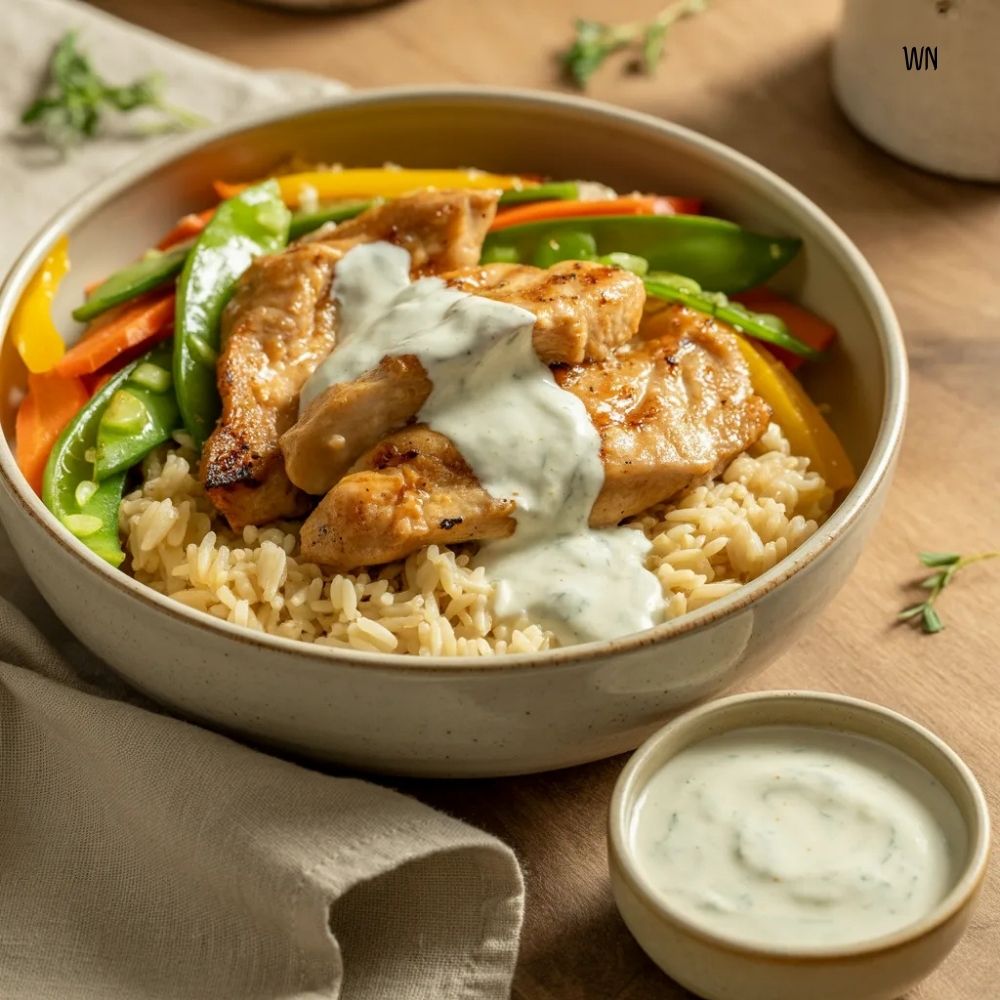
A Correct, Actually Filling Meal Example
To illustrate how staying power works in real life, here is a meal that consistently keeps people full for several hours without feeling heavy or restrictive. This is not a “diet” meal. It’s a balanced, comforting, everyday option.
Savory Chicken Rice Bowl With Creamy Yogurt Sauce
This meal works because it combines energy, protein, fat, and satisfaction in a way the body can use steadily.
Ingredients
- Cooked jasmine or basmati rice
- Roasted or pan-seared chicken thighs (thighs provide more staying power than lean cuts)
- Olive oil or butter
- Plain full-fat yogurt
- Lemon juice or vinegar
- Salt and black pepper
- Optional additions: cucumber, roasted vegetables, herbs, or a small sprinkle of cheese
How It Comes Together
Start with a generous base of warm rice. Rice provides steady, accessible energy that helps stabilize blood sugar when paired correctly.
Top with sliced chicken thighs that have been cooked in olive oil or butter and seasoned simply with salt and pepper. The combination of protein and fat slows digestion and supports lasting fullness.
Mix full-fat yogurt with a small amount of lemon juice, salt, and pepper to create a creamy sauce. Spoon this over the bowl. The fat and protein in the yogurt add richness and satisfaction without heaviness.
Add vegetables or herbs if you enjoy them, but do not rely on them as the main structure of the meal. They are supportive, not foundational.
Why This Meal Keeps You Full
This meal digests gradually rather than quickly. The rice provides energy without sharp spikes because it’s paired with fat and protein. The chicken and yogurt slow digestion and support satiety hormones. The warmth and familiarity of the meal signal completion to the nervous system.
Most importantly, it tastes good and feels complete, which prevents the mind from continuing to seek food afterward.
Portion Size Matters, But Composition Matters More
Portion size alone rarely solves persistent hunger. Increasing volume without increasing staying power often leads to fullness that fades quickly.
A moderate portion of a well-composed meal often sustains better than a large portion of a poorly composed one. The body responds to balance, not excess.
Why Snacks Sometimes Feel Necessary After Meals
When meals lack staying power, snacks become a form of compensation rather than choice. This is not a failure. It’s the body seeking stability.
When meals are adjusted to include more grounding elements, the need for constant snacking often decreases naturally, without effort or restriction.
Relearning What “Enough” Feels Like
Many people have lost touch with what enough feels like because meals haven’t been meeting their needs consistently. Hunger cues become confusing, and fullness feels unreliable.
Building meals with staying power helps restore trust in the body’s signals. Over time, eating becomes calmer and more predictable.
Final Thoughts
The overlooked reason meals sometimes don’t keep you full is not lack of discipline or poor choices. It’s usually a lack of staying power, caused by meals that digest too quickly, lack balance, or fail to satisfy both body and mind.
We encourage you to build meals that feel complete rather than correct. When meals provide energy, fat, protein, and enjoyment together, fullness tends to follow naturally and last longer. Over time, this approach reduces food stress, quiets constant hunger, and makes eating feel supportive instead of confusing.