Foods That Support Brain Focus and Mental Clarity Throughout the Day
Mental clarity is rarely about sudden motivation or perfect concentration. Most days, focus rises and falls quietly depending on how supported the brain feels. When the brain is well fueled, hydrated, and nourished, thinking feels steadier, reactions feel calmer, and attention lasts longer without strain. When support is missing, even simple tasks can feel mentally…
Mental clarity is rarely about sudden motivation or perfect concentration. Most days, focus rises and falls quietly depending on how supported the brain feels.
When the brain is well fueled, hydrated, and nourished, thinking feels steadier, reactions feel calmer, and attention lasts longer without strain. When support is missing, even simple tasks can feel mentally heavy.
We often talk about focus as if it’s a personal trait, but much of mental clarity comes down to physiology. The brain is one of the most energy-demanding organs in the body.
It relies on a steady supply of nutrients to maintain alertness, regulate mood, and process information efficiently. When food supports that steady supply, access to food becomes easier throughout the day.
This article explores foods that help support brain focus and mental clarity in a realistic, everyday way. Not by promising sharper thinking overnight, but by explaining how certain foods help the brain feel more stable, less reactive, and better supported over time.
Why the Brain Needs Consistent Fuel, Not Quick Fixes
The brain uses a large portion of the body’s available energy, even when you are sitting still. This energy comes primarily from glucose, but how that glucose is delivered matters. When energy arrives in sharp spikes and drops, mental clarity often follows suit. Brief alertness is followed by fog, distraction, or irritability.
Foods that support mental clarity tend to provide energy slowly and steadily. They help avoid dramatic blood sugar swings, which can disrupt concentration and emotional balance.
Just as important, they supply fats, minerals, and antioxidants that protect brain cells and support communication between them. Mental clarity is less about stimulation and more about steadiness.

Healthy Fats That Support Brain Communication
The brain is made largely of fat, and healthy fats play a critical role in how brain cells communicate. Fats help build cell membranes and support the transmission of signals between neurons. When fat intake is too low or inconsistent, thinking can feel scattered or effortful.
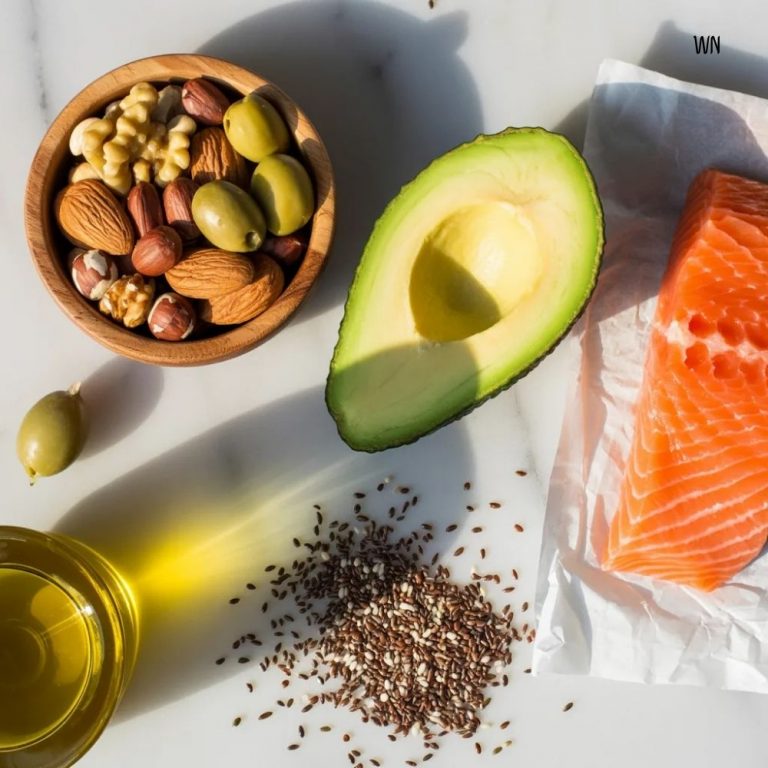
Foods such as olive oil, nuts, seeds, avocado, and fatty fish provide fats that support brain structure and function. These fats also slow digestion, helping energy reach the brain at a more even pace. Including healthy fats regularly helps the brain feel nourished rather than rushed.
Protein for Neurotransmitter Support
Protein provides amino acids, which the brain uses to create neurotransmitters. These chemical messengers influence focus, motivation, calmness, and alertness. When protein intake is too low or poorly timed, mental clarity can suffer.
Protein does not need to be excessive to be effective. Moderate amounts spread across meals help keep neurotransmitter production steady. Foods like eggs, poultry, fish, yogurt, legumes, and tofu all contribute in different ways. Balanced protein intake supports mental clarity by helping the brain communicate efficiently.
Complex Carbohydrates for Steady Energy
Carbohydrates often get blamed for mental fog, but the issue is usually not carbohydrates themselves. It’s the type and timing that matter. Complex carbohydrates such as whole grains, oats, brown rice, quinoa, and legumes provide glucose slowly, helping maintain focus over longer periods.
When carbohydrates are paired with fats and protein, their effect becomes even more stable. This combination prevents rapid energy crashes that interfere with concentration. For the brain, steady glucose is far more useful than quick bursts.
Micronutrients That Support Cognitive Function
Certain minerals and vitamins play quiet but essential roles in brain health. Magnesium supports nerve signaling and relaxation. Iron helps deliver oxygen to brain tissue. B vitamins support energy metabolism inside brain cells.
Foods that naturally contain these nutrients often overlap with those that provide fiber, protein, and healthy fats. Leafy greens, legumes, nuts, seeds, whole grains, and dairy products all contribute to this supportive network.
Mental clarity improves when the brain receives consistent micronutrient support, not isolated doses.
Antioxidant-Rich Foods That Protect Brain Cells
The brain is sensitive to oxidative stress, which can affect clarity and focus over time. Antioxidants help protect brain cells from damage and support long-term cognitive health.
Foods like berries, leafy greens, dark chocolate, and colorful vegetables contain antioxidants that support brain resilience. These foods don’t act as stimulants. Instead, they help preserve the brain’s ability to function smoothly. Protection is just as important as fuel.
Hydration and Mental Clarity
Even mild dehydration can affect concentration, memory, and mood. Water supports blood flow to the brain and helps transport nutrients. While hydration alone won’t create focus, it removes a common barrier.
Hydration works best when paired with nourishing meals rather than relied on as a standalone solution.

A Meal That Combines Brain-Supporting Foods
To make these ideas practical, here is one realistic, satisfying meal that brings together foods known to support brain focus and mental clarity. This is not a “health food bowl” meant to impress. It’s designed to taste good, feel filling, and support steady thinking.
Savory Salmon, Quinoa, and Avocado Power Bowl
This meal works well for lunch or dinner and supports sustained mental clarity for several hours.
Ingredients
- Cooked quinoa
- Salmon fillet
- Olive oil
- Garlic and black pepper
- Leafy greens such as spinach or arugula
- Avocado slices
- Plain Greek yogurt
- Lemon juice
- Salt
How It Comes Together
Quinoa forms the base of the bowl, providing complex carbohydrates and magnesium that support steady energy. Salmon is pan-seared in olive oil with garlic and pepper, offering protein and omega-3 fats that support brain cell communication.
Leafy greens add antioxidants and micronutrients that support cognitive resilience. Avocado contributes healthy fats that help slow digestion and enhance nutrient absorption.
A simple yogurt sauce made with Greek yogurt, lemon juice, and salt adds protein and creaminess without heaviness. Everything is warm, satisfying, and familiar.
Why This Meal Supports Mental Clarity
This meal provides steady glucose from quinoa, protein and fats from salmon and yogurt, and antioxidants from greens. The combination slows digestion, stabilizes blood sugar, and supplies the brain with nutrients it uses throughout the day.
Most importantly, it feels complete and enjoyable. Satisfaction matters for mental clarity because lingering hunger or dissatisfaction pulls attention away from tasks.
Timing Matters as Much as Content
Foods that support brain focus work best when meals are eaten regularly. Long gaps between meals can make focus harder, even when food quality is high.
Regular meals help maintain consistent energy delivery to the brain. This doesn’t require rigid schedules, but it does benefit from predictability.
Final Thoughts
Foods that support brain focus and mental clarity work together rather than alone. Healthy fats, steady carbohydrates, protein, antioxidants, and hydration all play roles in helping the brain feel stable throughout the day. Meals that combine these elements support sustained attention without relying on stimulation.
We encourage you to think of brain-supportive eating as building a steady foundation rather than chasing quick fixes. When food supports the brain consistently, mental clarity becomes easier to access, not because you push harder, but because your body and mind are working together.