5 Everyday Drinks That Support Hydration Better Than Plain Water
Water is often described as the foundation of hydration, and that’s true. But hydration is not only about how much water you drink. It’s also about how well your body can absorb, retain, and use that fluid throughout the day. Many people drink water regularly and still feel thirsty, tired, or slightly off, especially on…
Water is often described as the foundation of hydration, and that’s true. But hydration is not only about how much water you drink. It’s also about how well your body can absorb, retain, and use that fluid throughout the day.
Many people drink water regularly and still feel thirsty, tired, or slightly off, especially on busy or active days. That’s usually not because water is ineffective, but because the body sometimes needs more than water alone.
We want to explore five everyday drinks that can support hydration more effectively than plain water in certain situations. These are not specialty beverages or health trends.
They are familiar, accessible options that help the body hold onto fluids, support electrolyte balance, and make hydration feel more satisfying and sustainable. When hydration feels easier, energy, focus, and physical comfort often follow.
Why Hydration Is About More Than Just Fluid Intake
Hydration works best when fluids move efficiently from the digestive system into cells and stay there long enough to support normal function. This process depends on electrolytes such as sodium, potassium, and magnesium, which help regulate fluid balance and nerve signaling.
Without enough electrolytes, water may pass through the body quickly rather than being retained where it’s needed.
This is why drinking large amounts of plain water sometimes doesn’t relieve thirst or fatigue. The body may need a small amount of minerals or nutrients to help fluids do their job. Drinks that naturally contain these elements can support hydration in a gentler, more effective way.
1. Milk: A Naturally Balanced Hydration Drink
Milk is one of the most effective hydration-supporting drinks available, even though it’s rarely discussed that way. It contains water, electrolytes like potassium and sodium, protein, and small amounts of fat. This combination slows digestion slightly, which helps fluids stay in the body longer rather than being excreted quickly.
Because milk contains protein and carbohydrates, it also supports energy and muscle recovery, making it particularly useful after active or long days. The electrolytes in milk help replace what’s lost through sweat, while the nutrients support overall recovery.
Milk doesn’t need to replace water, but including it as part of daily intake can support hydration more effectively than water alone, especially for people who feel constantly thirsty or depleted.
2. Herbal Teas: Gentle Hydration With Added Comfort
Herbal teas are often overlooked as hydration sources, yet they provide fluid in a form that many people find easier to drink consistently. Because they are caffeine-free, most herbal teas contribute fully to hydration without increasing fluid loss.
Warm herbal teas can also encourage slower, more mindful drinking, which helps the body absorb fluids more efficiently. Certain herbs, such as chamomile, peppermint, or rooibos, offer gentle digestive or calming support, which can indirectly improve hydration by reducing stress-related fluid loss.
Herbal teas are especially helpful for people who struggle to drink enough plain water or who want hydration options later in the day without stimulation.

3. Coconut Water: Natural Electrolyte Support
Coconut water is naturally rich in potassium and contains small amounts of sodium and magnesium. These electrolytes help regulate fluid balance and support muscle and nerve function. Because of this, coconut water can be particularly hydrating during warm weather or after light to moderate activity.
Unlike many sports drinks, coconut water contains fewer added ingredients and relies on naturally occurring electrolytes. It provides hydration support without excessive sweetness when consumed in moderation.
Coconut water works best as a supplement to hydration rather than a primary drink. A small amount can help enhance fluid retention when plain water doesn’t feel sufficient.
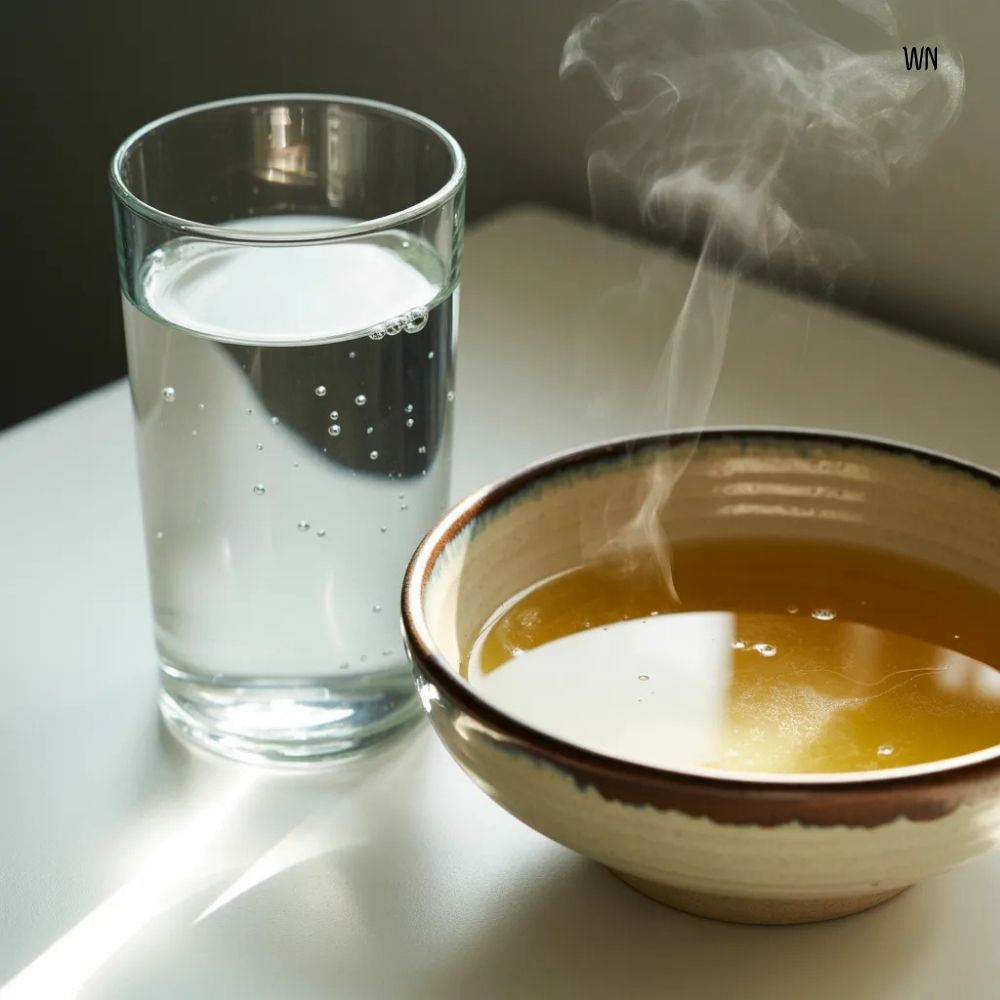
4. Broth or Light Soups: Hydration With Sodium Support
Broth-based drinks and light soups provide fluids along with sodium, which plays a crucial role in fluid retention. Sodium helps the body hold onto water rather than flushing it out too quickly. This makes broth particularly supportive during times of illness, fatigue, or heavy sweating.
Warm broth can also be soothing and easy to consume when appetite is low, making it a practical hydration option on days when solid food feels less appealing. The warmth encourages sipping, which supports steady fluid intake.
Broth doesn’t need to be consumed in large quantities to be effective. Even a small cup can support hydration more effectively than water alone when electrolyte balance is needed.
5. Diluted Fruit Juice: Hydration With Natural Carbohydrates
Fruit juice on its own can be too concentrated for hydration, but when diluted with water, it becomes a supportive option. The natural sugars provide a small amount of energy, while the minerals help support fluid absorption.
Diluted juice can be especially helpful for people who feel lightheaded, tired, or depleted, as carbohydrates help move water into cells more efficiently. This is why small amounts of sugar are often included in rehydration solutions.
The key is dilution. Mixing one part juice with two or three parts water creates a drink that supports hydration without overwhelming the body with sugar.
Why These Drinks Often Work Better Than Water Alone
All five of these drinks share one important characteristic: they contain more than just fluid. They provide electrolytes, nutrients, or carbohydrates that help the body use water effectively. This doesn’t make water less important. It simply highlights that hydration is a physiological process, not a one-ingredient solution.
On days when hydration feels difficult, adding supportive drinks can help stabilize fluid balance and reduce symptoms like fatigue, headaches, or dry mouth.
When Plain Water Is Enough and When It Isn’t
Plain water works well when the body’s electrolyte balance is already stable and activity levels are low. During hotter weather, illness, stress, or prolonged activity, the body often benefits from additional support.
Listening to thirst, energy levels, and physical comfort can help guide when supportive hydration is needed. There is no universal rule. Needs vary from day to day.
You don’t need to optimize every drink. Hydration improves when fluid intake is regular and responsive rather than rigid. Some days require more support, others less. Paying attention to how your body feels is often more helpful than following strict guidelines.
Final Thoughts
Plain water is essential, but it isn’t always enough on its own. Drinks like milk, herbal teas, coconut water, broth, and diluted fruit juice provide additional support by helping the body absorb and retain fluids more effectively. These everyday options make hydration easier, more comfortable, and more sustainable.
We encourage you to view hydration as a flexible, supportive practice rather than a rigid rule. When fluids are paired with gentle nutrition, the body responds with steadier energy, improved comfort, and better overall balance throughout the day.