Healthy Ways to Support Heart Health Without Overexertion
Heart health is often discussed as something that requires intensity. Faster movement, higher heart rates, strict routines, and pushing past comfort are commonly presented as the standard path to a healthy heart. For many people, this framing makes heart care feel intimidating or unsustainable, especially if energy levels fluctuate, stress is high, or physical limitations…
Heart health is often discussed as something that requires intensity. Faster movement, higher heart rates, strict routines, and pushing past comfort are commonly presented as the standard path to a healthy heart.
For many people, this framing makes heart care feel intimidating or unsustainable, especially if energy levels fluctuate, stress is high, or physical limitations exist. Yet the heart does not require constant challenge to benefit from care. In many cases, it responds best to consistency, rhythm, and gentle support rather than force.
We want to explore healthy ways to support heart health without overexertion, focusing on choices that fit into real life and can be maintained over time. These approaches are not about training the heart to perform.
They are about helping it work efficiently, recover well, and remain resilient as the body moves through daily demands. When heart care feels manageable, it becomes something you live with, not something you push yourself through.
Why Gentle Support Matters for the Heart
The heart is both a muscle and part of a complex system that includes blood vessels, the nervous system, hormones, and breathing patterns. While intense activity can temporarily strengthen the heart muscle, it also places significant demand on these connected systems.
For many people, especially those managing stress, fatigue, or long workdays, too much intensity can backfire by increasing strain rather than reducing it.
Gentle support works differently. It encourages steady circulation, lowers chronic stress signals, and improves how efficiently the heart pumps blood without forcing it into overdrive.
Over time, this steadiness helps regulate blood pressure, supports oxygen delivery, and reduces unnecessary workload on the heart. This is why gentle habits, when practiced consistently, often lead to more reliable long-term benefits than sporadic intense effort.
Walking as a Daily Heart-Supportive Practice
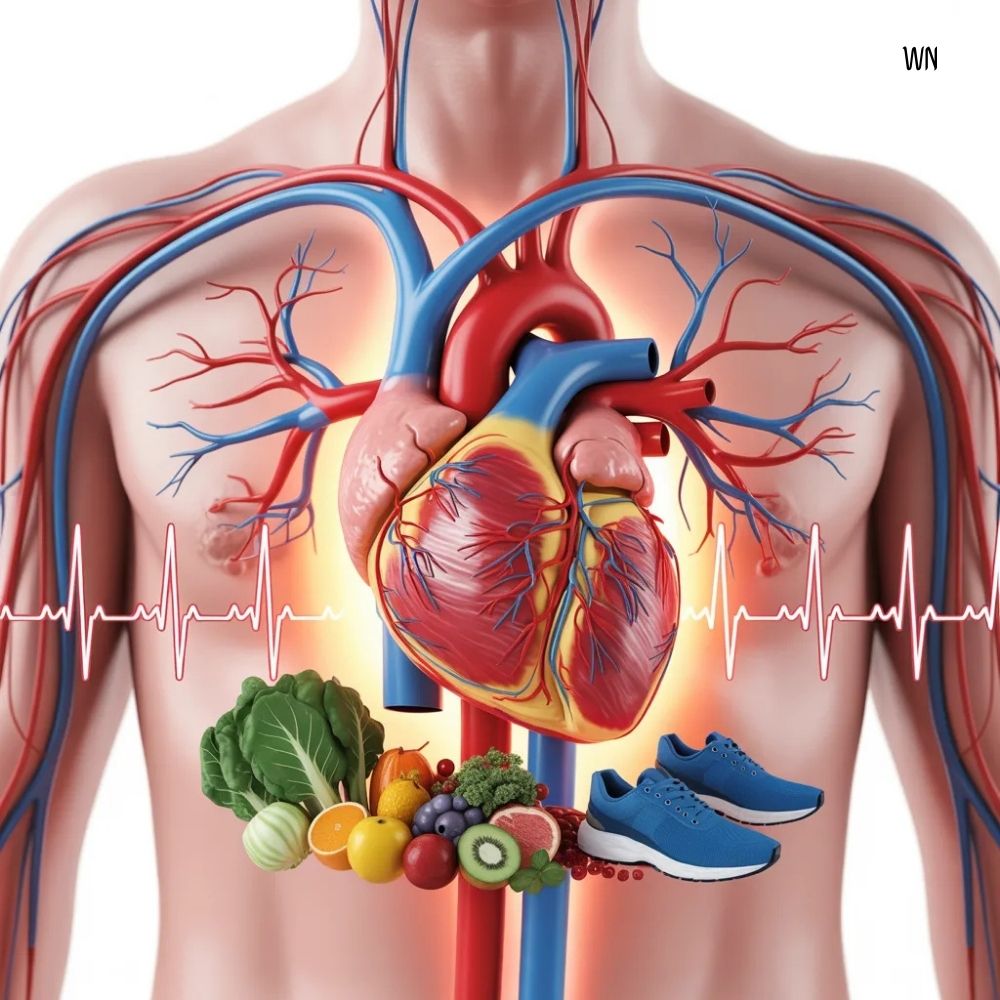
Walking is one of the most effective and accessible ways to support heart health without overexertion. It gently raises the heart rate, improves circulation, and encourages rhythmic breathing, all of which support cardiovascular efficiency.
A clear example of this is incorporating a 20- to 30-minute walk most days of the week. Even shorter walks spread throughout the day can have meaningful effects. Walking after meals, for instance, supports circulation and helps regulate blood sugar, which reduces stress on the cardiovascular system.
What makes walking especially valuable is that it adapts easily. On lower-energy days, a slower pace still supports circulation. On days when you feel stronger, a slightly brisker walk adds challenge without strain. The heart benefits from the regularity, not the speed.
Gentle Cycling for Circulation Without Impact
Cycling at a relaxed pace is another heart-supportive option that avoids overexertion. Whether outdoors or on a stationary bike, gentle cycling allows you to elevate your heart rate gradually while minimizing stress on joints and muscles.
A practical example is cycling for 15 to 25 minutes at a pace where you can still speak comfortably. This level of effort supports blood flow and endurance without pushing the heart into a stressed state. Over time, this can improve how efficiently the heart pumps blood, reducing fatigue during daily activities.
Cycling also supports leg muscle function, which helps improve venous return, meaning blood flows back to the heart more easily. This reduces the workload the heart must handle with each beat.
Light Strength Work That Supports the Heart Indirectly
Strength training is not usually associated with heart health, yet gentle resistance work plays an important supporting role. When muscles are stronger and more efficient, the heart does not have to work as hard during everyday tasks like climbing stairs, carrying groceries, or standing for long periods.
A clear example of gentle strength support is performing light resistance exercises two or three times a week using bodyweight movements, resistance bands, or light dumbbells. Exercises such as seated leg lifts, wall push-ups, or gentle squats improve muscle efficiency without significantly raising heart rate or blood pressure.
This type of movement supports heart health indirectly by reducing physical strain, improving circulation, and supporting metabolic balance. The heart benefits because the body becomes more efficient overall.
Breathing-Focused Movement to Reduce Cardiac Strain
The heart and the nervous system are closely linked, and breathing plays a powerful role in regulating both. Slow, deep breathing activates the parasympathetic nervous system, which helps lower heart rate and blood pressure. Movement practices that emphasize breathing can therefore support heart health by reducing chronic stress signals.
A clear example is practicing gentle yoga, Tai Chi, or slow stretching routines that emphasize controlled breathing. Even five to ten minutes of slow breathing paired with light movement can help the heart settle after stressful periods.
For instance, inhaling slowly through the nose for four counts and exhaling for six counts while stretching or walking encourages the heart to slow down and recover. Over time, this improves heart rate variability, a key marker of cardiovascular resilience.
Supporting Heart Health Through Daily Movement Patterns
Heart health is influenced not only by structured exercise, but also by how often you move throughout the day. Prolonged sitting slows circulation and increases strain on the cardiovascular system. Gentle, frequent movement helps counteract this effect.
A practical example is standing up and moving for a few minutes every hour. This might include walking around the room, stretching the legs, or performing light mobility movements. These brief periods of activity encourage blood flow, prevent stiffness, and reduce the heart’s workload.
This approach is particularly helpful for people with desk jobs or long periods of inactivity. The heart benefits from regular circulation boosts rather than long, intense sessions.
Nutrition as Gentle Heart Support
Supporting heart health without overexertion also involves nourishment. The heart relies on a steady supply of energy, electrolytes, and nutrients to function efficiently. When nutrition is irregular or overly restrictive, the heart may be forced to compensate.
A clear example of gentle nutritional support is eating regular, balanced meals that include complex carbohydrates, protein, and healthy fats. This supports stable blood sugar and reduces stress hormone spikes that can strain the heart.
Including potassium-rich foods such as fruits, vegetables, and dairy products helps regulate heart rhythm and fluid balance. Magnesium-rich foods support muscle relaxation, including the heart muscle. These choices don’t require special diets, only consistency.
Hydration and Its Role in Heart Efficiency
Hydration plays a direct role in heart health by supporting blood volume and circulation. When hydration is low, the heart must work harder to pump thicker blood through the body. This can increase fatigue and strain.
A practical example is drinking fluids consistently throughout the day rather than consuming large amounts at once. Including beverages that provide electrolytes can help the body retain fluids more effectively than water alone, especially on warm or active days.
Adequate hydration supports smoother circulation and reduces unnecessary cardiac workload.
Sleep and Recovery as Heart Care
Sleep is one of the most overlooked aspects of heart health. During sleep, the heart rate slows, blood pressure drops, and the body repairs itself. Chronic sleep deprivation keeps the heart in a more stressed state, even if daytime activity is gentle.
Supporting sleep doesn’t require perfection. A clear example is creating a consistent wind-down routine that allows the nervous system to settle before bed. This might include reducing stimulation, keeping bedtime relatively consistent, and avoiding heavy meals late at night.
Listening to the Body’s Feedback
Supporting heart health gently requires paying attention to how the body responds. Feeling energized rather than depleted after activity is a positive sign. Improved sleep, steadier mood, and reduced shortness of breath during daily tasks also indicate supportive heart care.
Discomfort, dizziness, or excessive fatigue are signs that intensity may be too high. Adjusting rather than pushing allows the heart to benefit without strain.
Final Thoughts
Healthy ways to support heart health without overexertion focus on consistency, circulation, nourishment, and recovery rather than intensity or pressure. Walking, gentle cycling, light strength work, breathing-focused movement, regular meals, hydration, and sleep all contribute to a heart that works efficiently and recovers well.
We encourage you to view heart health as something that grows through steady care rather than effort alone. When support feels gentle and sustainable, the heart responds with resilience over time, allowing health to build quietly and reliably as part of everyday life.