Healthy Habits That Support Digestion and Gut Comfort
Digestion is one of those body processes that works quietly in the background until something feels off. When digestion is comfortable, most of us don’t think about it at all. When it isn’t, it can affect energy, mood, focus, and even how enjoyable daily life feels. What’s often overlooked is that digestive comfort is rarely…
Digestion is one of those body processes that works quietly in the background until something feels off. When digestion is comfortable, most of us don’t think about it at all.
When it isn’t, it can affect energy, mood, focus, and even how enjoyable daily life feels. What’s often overlooked is that digestive comfort is rarely about one food or one habit. It’s shaped by small, repeated choices that support the gut gently over time.
We tend to associate digestive health with strict diets, food eliminations, or supplements, which can make it feel complicated or fragile. In reality, the gut responds best to consistency, predictability, and care rather than pressure.
Many digestive discomforts are influenced not only by what you eat, but by how you eat, how often you eat, how you move, and how stressed the body feels while digesting. Supporting digestion doesn’t require perfection. It requires habits that make the digestive system feel safe and supported.
Why Digestion Is Closely Linked to Daily Rhythm
The digestive system is deeply connected to your daily rhythm. It responds to regular meal timing, consistent sleep, and predictable patterns.
When meals are skipped, eaten in a rush, or spaced far apart, digestion often becomes more reactive. The gut prefers routine because it allows digestive enzymes, stomach acid, and intestinal movement to work efficiently.
Eating meals at roughly similar times each day helps the gut anticipate food and prepare for digestion. This doesn’t mean strict schedules, but it does mean avoiding long periods without food followed by large, heavy meals. When the body knows nourishment is coming regularly, digestion tends to feel calmer and more coordinated.

Eating Slowly Helps the Gut Do Less Work
One of the simplest yet most overlooked habits for digestive comfort is slowing down while eating. Digestion begins in the mouth, not the stomach. Chewing thoroughly breaks food down mechanically and signals the rest of the digestive system to begin its work.
When meals are rushed, larger food particles reach the stomach and intestines, which can increase bloating, discomfort, or a heavy feeling after eating. Slowing down doesn’t require mindful eating practices or silence.
It simply means giving meals enough time so the body can keep up. Even a few extra minutes per meal can make digestion feel noticeably easier over time.
Regular Meals Support Gentler Digestion
Irregular eating patterns can place stress on the digestive system. When the gut goes long periods without food, digestive secretions may fluctuate, and when food finally arrives, digestion can feel abrupt or uncomfortable. Regular meals help smooth this process.
Supporting digestion doesn’t require large meals. Smaller, balanced meals eaten consistently often feel better than alternating between very light eating and heavy meals. Regular nourishment helps the gut maintain steady movement, reducing bloating and irregularity.
Warm Foods and Drinks Often Feel Easier to Digest
Many people notice that warm foods and drinks feel more comforting to the gut than cold ones, especially during periods of digestive sensitivity. Warmth encourages blood flow to the digestive organs and supports muscle relaxation along the digestive tract.
Soups, stews, cooked grains, roasted vegetables, and warm beverages like herbal teas often feel gentler than raw or icy foods. This doesn’t mean raw foods are unhealthy, but during times of digestive discomfort, warmth can reduce strain and help the gut work more efficiently.
Including Fiber Gradually Supports Gut Comfort
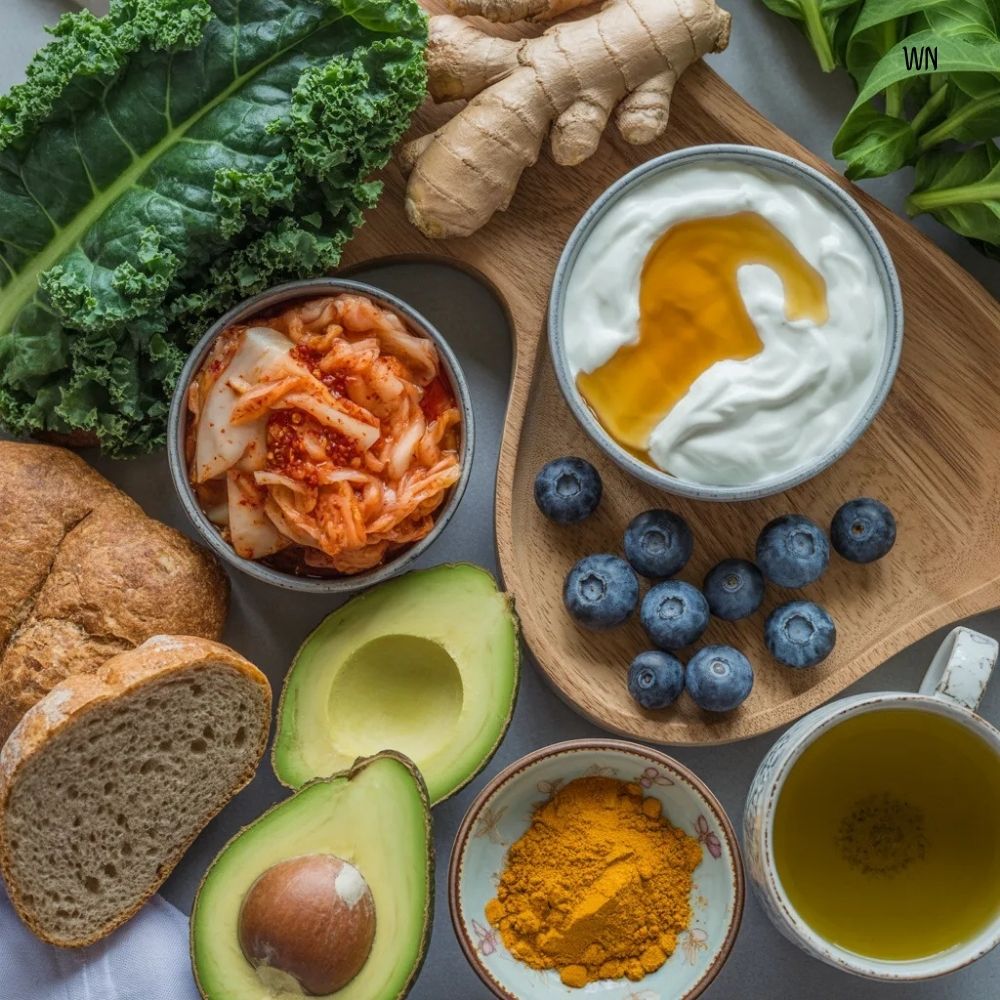
Fiber plays a key role in digestion, but how it’s introduced matters. Fiber supports regular bowel movements and feeds beneficial gut bacteria, yet sudden increases can lead to bloating or gas. The gut responds best when fiber intake increases gradually and is paired with adequate hydration.
Including fiber from a variety of sources, such as fruits, vegetables, whole grains, and legumes, supports gut balance more effectively than relying heavily on one food. Cooked fiber-rich foods are often easier to tolerate than raw ones when digestion feels sensitive.
Hydration Supports Smooth Digestion
Water plays a role in moving food through the digestive tract and preventing discomfort related to constipation or sluggish digestion. However, hydration works best when it’s steady rather than forced. Drinking large amounts of water at once can sometimes feel uncomfortable, while small amounts consumed regularly support digestion more gently.
Including fluids through foods, such as soups, fruits, yogurt, and cooked vegetables, can support hydration without overwhelming the gut. Warm or room-temperature fluids often feel more comfortable during digestion than very cold drinks.
Gentle Movement Helps the Gut Stay Active
Movement supports digestion by stimulating intestinal contractions that help move food through the digestive tract. This doesn’t require intense exercise. Gentle movement is often enough to support gut comfort.
A short walk after meals is a clear example of a digestion-supportive habit. Walking encourages circulation and helps reduce bloating or heaviness. Stretching, light yoga, or simply standing and moving regularly throughout the day also support digestive flow.
Prolonged sitting can slow digestion, so gentle movement breaks can make a meaningful difference over time.
Stress Has a Direct Impact on Digestion
The gut and the nervous system are closely connected. When the body is under stress, digestion often slows or becomes irregular. This is because the body prioritizes immediate survival responses over digestion during stressful moments.
Supporting digestion therefore includes supporting the nervous system. Taking a few deep breaths before eating, creating a calmer eating environment, or avoiding intense work immediately after meals can help digestion feel smoother. You don’t need perfect calm, just enough space for the body to shift into a digestive state.
Why Consistency Matters More Than “Perfect” Foods
Many people search for the one food that will fix digestion, but gut comfort is shaped more by patterns than ingredients. Consistent meal timing, regular hydration, gentle movement, and stress awareness support digestion regardless of specific food choices.
Perfection creates pressure, and pressure often worsens digestive symptoms. Consistency creates predictability, which helps the gut relax and function more smoothly.
Digestion Improves When Care Feels Gentle
The digestive system is sensitive to how it’s treated. Harsh rules, constant restriction, or fear around food can increase digestive tension. Gentle habits signal safety to the body, allowing digestion to work more efficiently.
When meals are regular, movement is supportive, and stress is managed with care rather than force, gut comfort often improves gradually.
Digestive health doesn’t change overnight. It builds through repetition and patience. Small habits practiced daily shape how the gut functions over time, often in ways that aren’t immediately noticeable but become clear in hindsight.
This slow improvement is a sign of real support rather than temporary relief.
Final Thoughts
Healthy habits that support digestion and gut comfort are rooted in consistency, gentleness, and awareness rather than strict rules or quick fixes. Eating regularly, slowing down during meals, staying hydrated, moving gently, managing stress, and prioritizing rest all help the digestive system work with less strain.
We encourage you to view digestive support as an ongoing relationship rather than a problem to solve. When the gut feels supported daily, comfort often improves naturally, allowing digestion to become something you rarely have to think about, which is often the clearest sign that it’s working well.