Why Gentle Guidance Often Works Better Than Pressure for Children
Most parents want the same thing at the core. We want our children to grow into healthy, capable people who can take care of themselves and make good choices over time. That desire is loving and natural. Yet in daily life, especially when routines feel rushed or worries pile up, that desire can quietly turn…
Most parents want the same thing at the core. We want our children to grow into healthy, capable people who can take care of themselves and make good choices over time. That desire is loving and natural.
Yet in daily life, especially when routines feel rushed or worries pile up, that desire can quietly turn into pressure. Pressure to eat better, sleep earlier, behave differently, try harder, or improve faster.
We want to explore why gentle guidance so often works better than pressure when it comes to children. Not because pressure comes from bad intentions, but because children’s nervous systems, sense of autonomy, and emotional development respond differently than adult logic expects.
When habits are encouraged with calm consistency rather than force, children tend to absorb them more deeply and carry them forward more willingly.
Children Learn Through Safety, Not Urgency
Children are constantly learning, but the way they learn is shaped by how safe they feel. When guidance is delivered with urgency, frustration, or repeated correction, a child’s nervous system often shifts into defense. In that state, learning becomes secondary to emotional protection.
Gentle guidance creates a different internal environment. When children feel emotionally safe, their brains are more open to observation, experimentation, and repetition. They are not focused on avoiding disappointment or conflict. They are focused on understanding what is happening around them.
This is why calm guidance often leads to better long-term outcomes than pressure. It allows habits to develop through familiarity rather than fear.
Pressure Often Focuses on Outcomes, Not Process
Pressure usually comes from a focus on outcomes. We want the child to eat the vegetables, finish the homework, go to bed on time, or behave a certain way. The intention is positive, but the focus becomes narrow.
Children, however, live in process. They experience each moment as it unfolds, without the same long-term perspective adults have. When pressure is applied, children often react to the emotional tone rather than the lesson itself. Resistance appears not because the habit is bad, but because the experience feels uncomfortable.
Gentle guidance shifts attention back to process. Instead of forcing outcomes, it supports repetition, exposure, and gradual understanding. Over time, outcomes follow naturally.
Gentle Guidance Builds Internal Motivation
One of the most important differences between pressure and gentle guidance is where motivation comes from. Pressure relies on external motivation. The child acts to avoid conflict, gain approval, or escape discomfort. This can work in the short term, but it rarely lasts.
Gentle guidance supports internal motivation. When children feel respected and involved, they begin to associate habits with personal comfort, satisfaction, or curiosity. The habit becomes something they participate in, not something imposed on them.
Internal motivation develops slowly, but it is far more durable than compliance.
A Clear Example: Encouraging Healthy Eating Without Pressure
To see how this works in real life, consider a common situation many families face: encouraging a child to eat a variety of foods.
A pressure-based approach often looks like repeated reminders, bargaining, or emotional reactions. The adult explains why the food is healthy, insists on finishing the plate, or ties eating to rewards or consequences.
Even when the child eats the food, the experience is tense. The child learns that eating is something that must be managed carefully to avoid conflict.
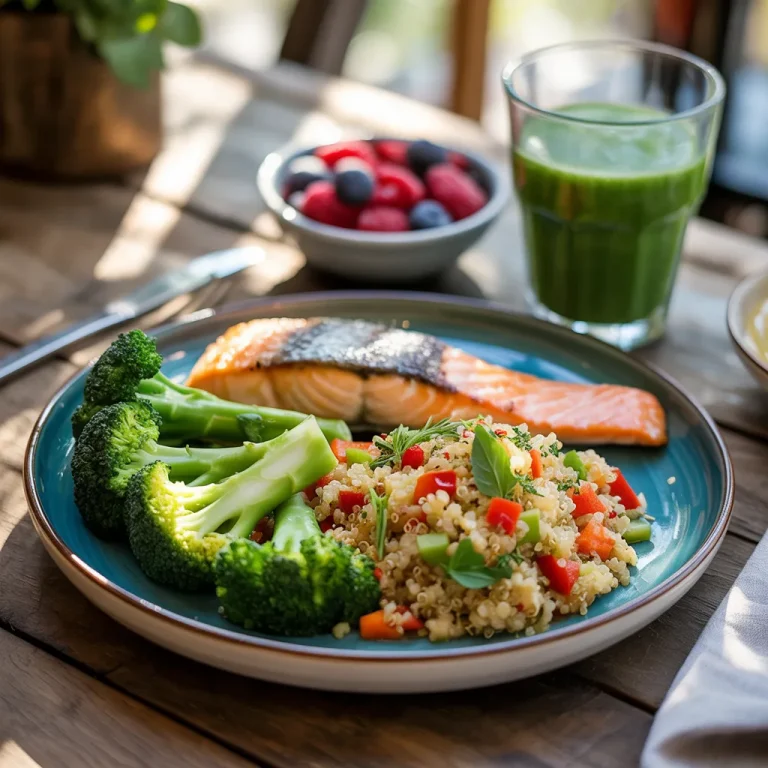
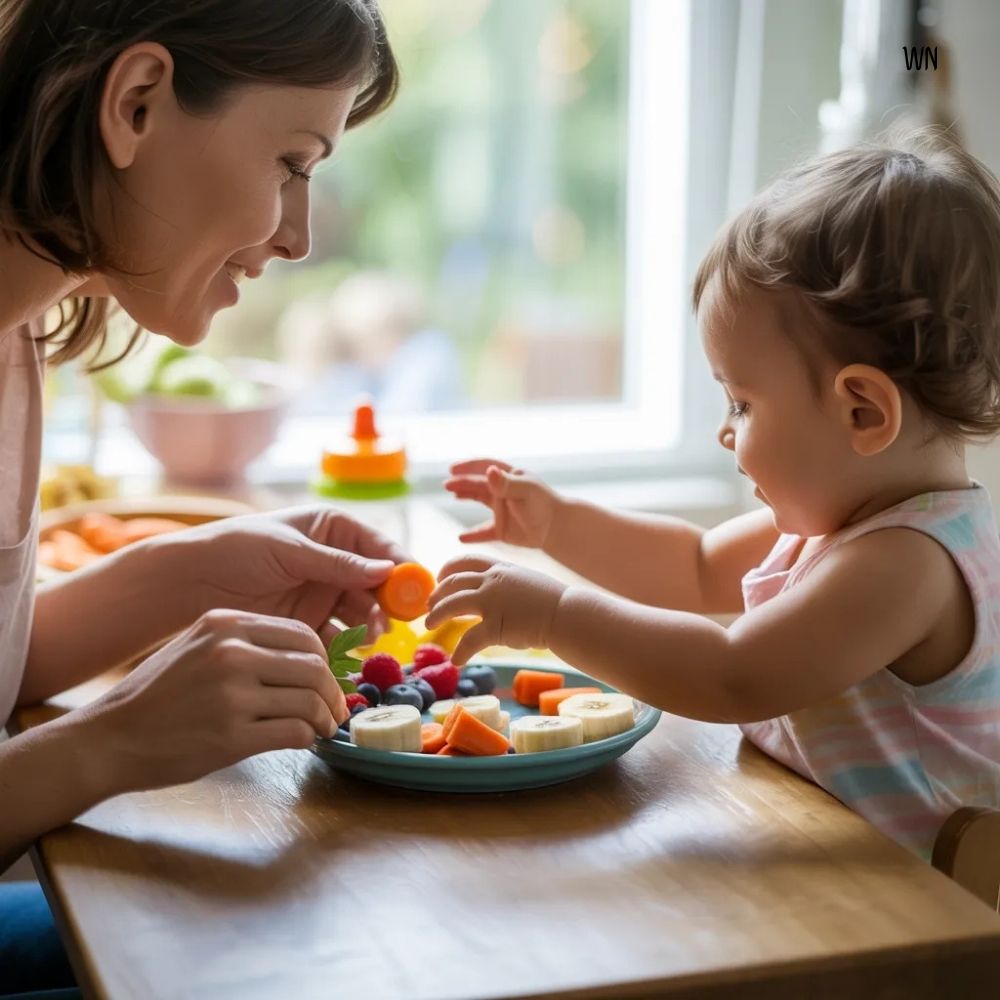
A gentle guidance approach looks very different. The adult consistently includes a variety of foods at meals without commentary.
The child is allowed to eat what feels comfortable while being exposed to new foods repeatedly over time. There is no pressure to like the food or eat a certain amount. The adult models enjoyment and trust.
Over weeks and months, something shifts. Familiarity reduces fear. Curiosity replaces resistance. The child may begin to taste new foods voluntarily, not because they are required to, but because the environment feels safe enough to explore.
In this example, the habit grows not through insistence, but through consistency and emotional neutrality. The child learns that food is available, predictable, and not a measure of success or failure. This approach supports a healthier long-term relationship with eating than pressure ever could.
Children Are Highly Sensitive to Emotional Tone
Children often respond more to how something is said than to what is said. A calm tone communicates trust and confidence. A pressured tone communicates urgency and dissatisfaction, even if the words are gentle.
When guidance is delivered calmly, children are more likely to listen, observe, and eventually imitate. When guidance is delivered with frustration, children often become guarded or oppositional, even when they understand the message.
Gentle guidance keeps emotional tone neutral or supportive, which allows learning to happen without triggering defense.
Consistency Is More Important Than Intensity
Many parents worry that without pressure, habits won’t form. In reality, habits form through consistency, not intensity. A calm routine repeated regularly is far more effective than a strict rule enforced inconsistently.
Children thrive on predictability. When routines feel stable, children relax into them. Bedtimes, mealtimes, and daily rhythms become anchors rather than battlegrounds.
Gentle guidance uses consistency as its foundation. Pressure relies on force. Over time, consistency wins.
Autonomy Helps Children Feel Capable
Children need to feel some sense of control over their own bodies and choices in order to develop confidence. When pressure removes autonomy completely, children may comply, but they often do not internalize the habit.
Gentle guidance allows for small choices within safe boundaries. This could mean choosing between two options, deciding the order of tasks, or participating in planning routines. These small moments of agency help children feel respected and capable. When children feel capable, they are more willing to engage.
Gentle Guidance Respects Developmental Timing
Children develop at different rates. Pressure often ignores this reality, expecting readiness before it naturally appears. Gentle guidance allows children to reach milestones in their own time while still being supported.
This patience reduces frustration on both sides. It allows habits to grow in alignment with the child’s capacity rather than against it. Development unfolds best when it’s supported, not rushed.
Parents Benefit From Reduced Pressure Too
Gentle guidance does not only help children. It also reduces stress for parents. When pressure decreases, interactions become calmer, and daily routines feel less emotionally charged.
This creates a more peaceful household atmosphere, which benefits everyone. Parenting becomes less about managing behavior and more about supporting growth. Gentle guidance creates space for connection, not conflict.
Final Thoughts
Gentle guidance often works better than pressure because it aligns with how children learn, regulate emotions, and develop autonomy. It builds habits through safety, consistency, and trust rather than urgency or control.
We encourage you to see gentle guidance not as doing less, but as doing something different. When children are supported with calm consistency and emotional safety, healthy habits tend to grow naturally, not because they are forced, but because they make sense to the child over time.