Healthy Meals That Support the Woman Body During Periods
Periods are a normal, recurring part of life for many women, yet the way we talk about supporting the body during this time is often either overly medical or dismissively simple. You’re told to “rest more,” “eat better,” or “just push through,” without much explanation of what the body is actually experiencing or how everyday…
Periods are a normal, recurring part of life for many women, yet the way we talk about supporting the body during this time is often either overly medical or dismissively simple.
You’re told to “rest more,” “eat better,” or “just push through,” without much explanation of what the body is actually experiencing or how everyday meals can make this time feel more manageable. In reality, the body is doing real work during menstruation, and nourishment plays a meaningful role in how supported you feel.
We want to look at healthy meals that support the woman’s body during periods in a calm, practical way. Not meals meant to eliminate discomfort entirely, and not rigid rules about what you should or shouldn’t eat.
But meals that help replenish energy, support iron levels, stabilize blood sugar, and reduce unnecessary strain. When food feels supportive rather than controlling, periods often feel easier to move through, even if they are still uncomfortable at times.
What the Body Is Managing During a Period
During menstruation, the body is navigating several overlapping processes. Blood loss, even when it’s not heavy, uses iron and energy. Hormonal shifts affect appetite, digestion, mood, and energy levels.
Inflammation increases naturally, which can contribute to cramps, aches, or fatigue. At the same time, many women are expected to maintain normal daily responsibilities without adjustment.
Because of this, the body benefits from meals that are grounding, nourishing, and steady. Skipping meals, eating very lightly, or relying mostly on quick snacks can make fatigue and discomfort feel worse. Supporting the body during periods isn’t about restriction or detoxing. It’s about replenishment and steadiness.

Iron-Supporting Meals to Replenish What’s Lost
Iron plays an important role during periods because blood loss uses iron stores. Even when iron levels are not clinically low, the body still benefits from gentle replenishment. Meals that include iron-containing foods help support energy and reduce the sense of depletion that many women feel during menstruation.
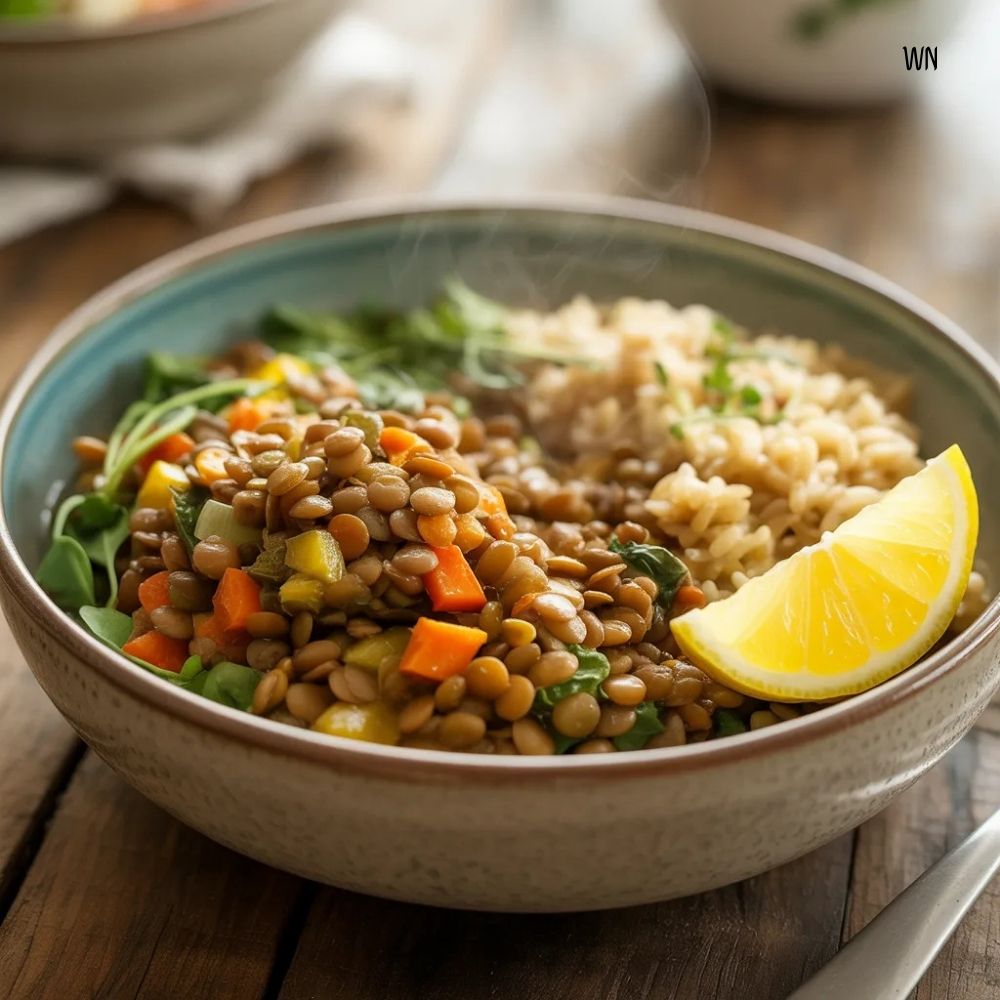
A practical example of an iron-supportive meal is a warm lentil and vegetable bowl with rice. Lentils provide plant-based iron, rice supplies steady energy, and cooked vegetables are easier to digest during this time. Adding a small amount of lemon juice or tomatoes supports iron absorption without making the meal feel medicinal.
Animal-based options such as chicken, turkey, or beef paired with potatoes or grains also support iron intake while providing protein for recovery. These meals don’t need to be heavy. They need to be steady and familiar.
Meals That Support Energy When Fatigue Is High
Fatigue during periods is common, and it’s often made worse by under-eating or eating foods that digest too quickly. Meals that support energy tend to include complex carbohydrates and enough fat to slow digestion.
A clear example is oatmeal made with milk, topped with nuts or nut butter and fruit. This combination provides carbohydrates for immediate energy, fat and protein for staying power, and minerals that support muscle and nerve function. It’s gentle on digestion and easy to tolerate even when appetite is low.
Another example is a simple rice bowl with eggs and vegetables cooked in olive oil. Eggs provide protein and fats, rice supports energy, and cooked vegetables are easier to digest than raw ones during periods.
Comforting Meals That Support Digestion and Calm
Digestion can feel more sensitive during periods due to hormonal changes and increased inflammation. Cold, very spicy, or highly processed foods may increase discomfort for some women. Warm, cooked meals are often easier on the digestive system and feel more comforting.
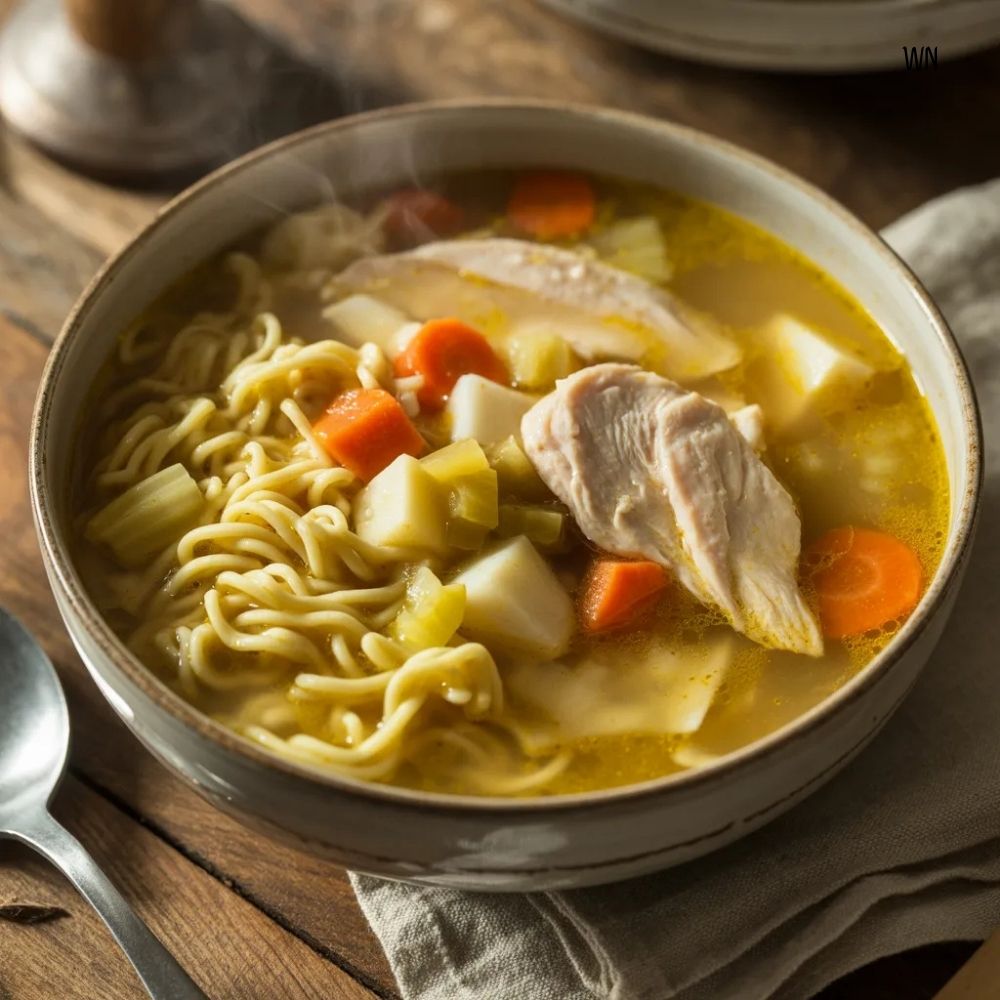
Soups and stews are especially supportive. A chicken and vegetable soup with potatoes or noodles provides hydration, electrolytes, protein, and carbohydrates in a form that’s easy to digest. The warmth itself can feel soothing, especially when cramps are present.
These meals support the body not because they are “special,” but because they reduce digestive effort during a time when the body is already working hard.
Healthy Fats That Support Hormonal Balance
Healthy fats play a quiet but important role during periods. They support hormone production and help stabilize mood and energy. Meals that are too low in fat may leave you feeling unsatisfied and more emotionally reactive.
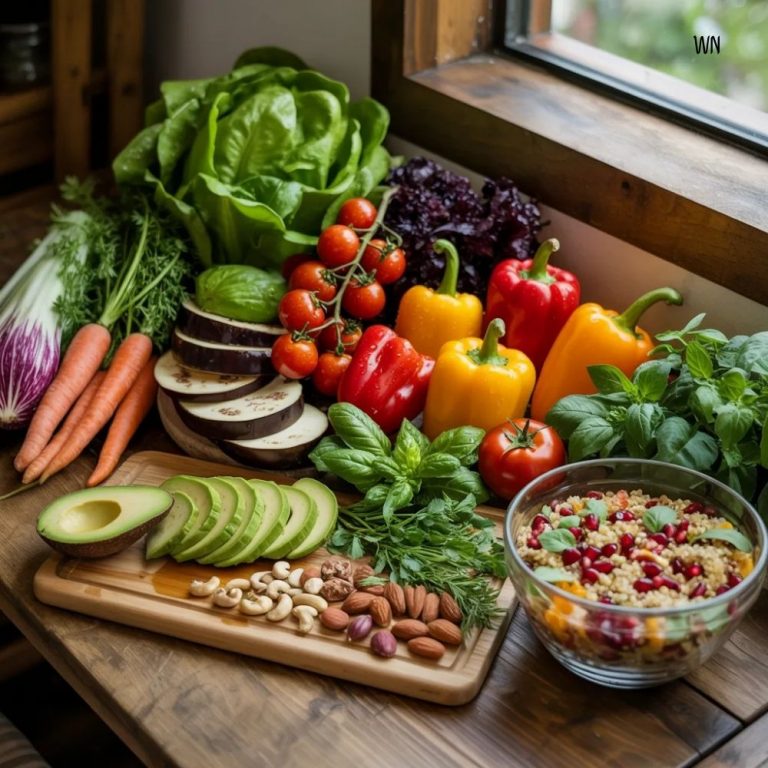
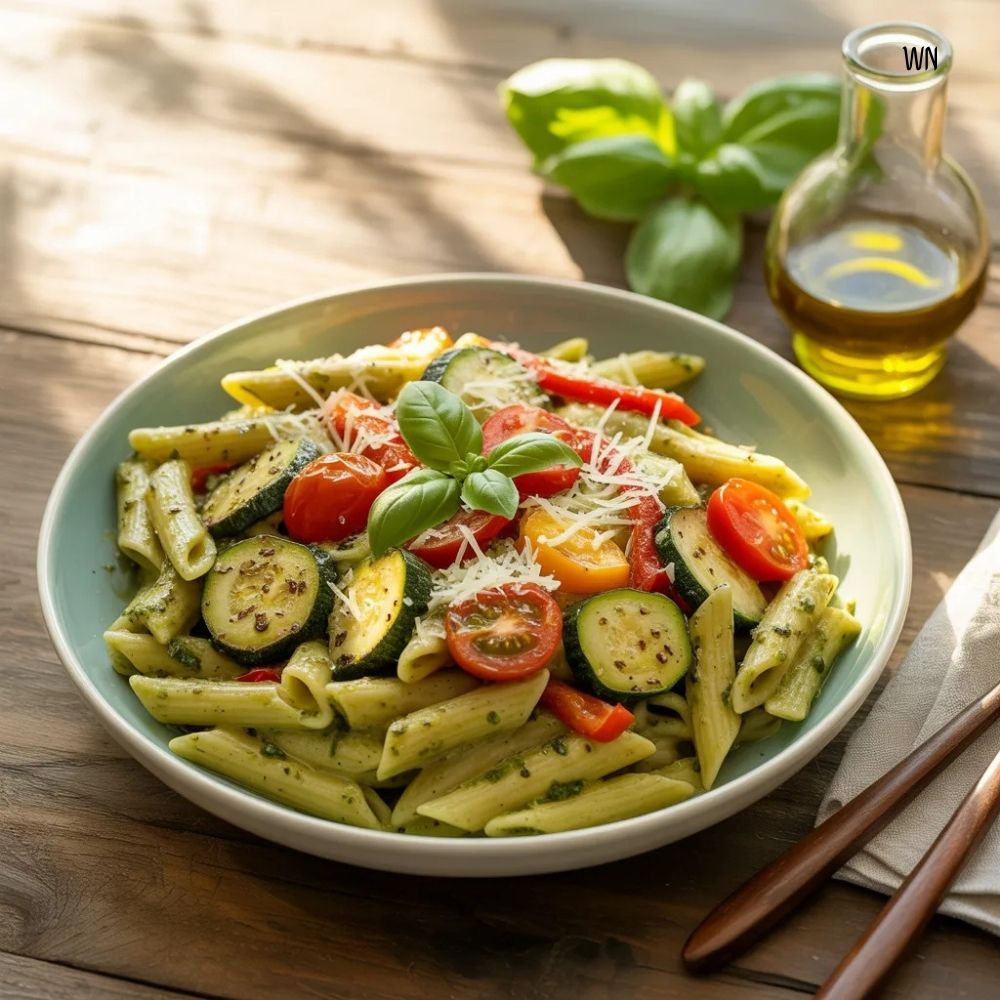
Including fats such as olive oil, avocado, dairy, eggs, nuts, or seeds helps meals feel complete. For example, a pasta dish with olive oil, cheese, and vegetables provides carbohydrates for energy and fats for satisfaction and hormonal support.
These meals don’t need to be heavy or indulgent. They simply need to feel nourishing rather than restrictive.
Magnesium-Rich Meals That Support Muscle Relaxation
Magnesium supports muscle relaxation and nerve signaling, which can be helpful during periods when cramps or tension are present. Meals that include magnesium-rich foods gently support this process.
A practical example is a quinoa bowl with leafy greens, roasted vegetables, and a yogurt-based sauce. Quinoa and greens contribute magnesium, while yogurt adds protein and calcium. The meal is balanced, filling, and supportive without being overwhelming.
Snacks like yogurt with nuts or a banana with peanut butter can also contribute magnesium while supporting steady energy.
Allowing Comfort Foods Without Guilt
Periods often come with cravings for comfort foods, and these cravings are not a failure of discipline. They are often the body’s way of asking for energy, warmth, or emotional grounding. Completely resisting these foods can increase stress, which may worsen symptoms.
Allowing familiar comfort foods in a balanced way can actually support well-being. For example, a grilled cheese sandwich with soup, or rice with butter and vegetables, provides carbohydrates and fats that support energy and satisfaction.
When comfort foods are allowed without guilt, they tend to be more satisfying and less disruptive overall.
Hydrating Meals and Drinks During Periods
Hydration supports circulation and helps reduce fatigue, but drinking plain water alone may not always feel sufficient. Meals that contain fluids and electrolytes can support hydration more effectively.
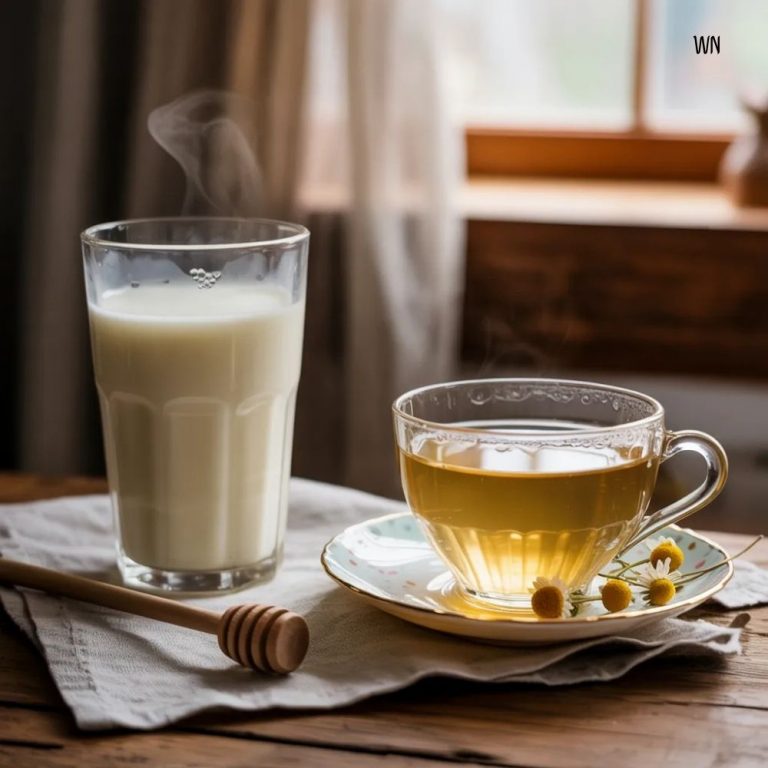
Soups, stews, milk, yogurt, and fruit all contribute to fluid intake while also providing nutrients. Warm drinks like herbal teas can feel especially supportive during periods, helping the body relax and encouraging gentle hydration.
Hydration doesn’t need to be forced. It works best when it’s built into meals and routines naturally.
Listening to Appetite Changes Without Judgment
Appetite often changes during periods. Some women feel less hungry, others feel more hungry, and many experience fluctuations throughout the day. These changes are normal and reflect hormonal shifts.
Responding to appetite with flexibility rather than control helps the body feel supported. Eating smaller, more frequent meals when appetite is low, or more substantial meals when hunger is higher, helps maintain energy and comfort.
Periods are not the time to impose strict eating rules. They are a time to respond gently.
Final Thoughts
Healthy meals that support the woman’s body during periods are not about fixing symptoms or following strict plans. They are about replenishing what’s used, stabilizing energy, supporting digestion, and reducing unnecessary strain during a time when the body is already doing important work.
We encourage you to think of period nourishment as an act of care rather than control. Warm, balanced, familiar meals eaten regularly help the body feel steadier and more supported.
Periods may still be uncomfortable, but when the body is nourished gently and consistently, moving through them often feels a little easier, calmer, and more manageable over time.