How to Encourage Healthy Habits in Children Without Pressure
Many parents genuinely want to help their children grow up healthy. That desire often shows up in small daily decisions about food, sleep, screen time, movement, and routines. Yet somewhere along the way, good intentions can quietly turn into pressure, both for children and for the adults guiding them. When habits start to feel enforced…
Many parents genuinely want to help their children grow up healthy. That desire often shows up in small daily decisions about food, sleep, screen time, movement, and routines.
Yet somewhere along the way, good intentions can quietly turn into pressure, both for children and for the adults guiding them. When habits start to feel enforced rather than supported, resistance often follows, even when the habit itself is beneficial.
We want to talk about how healthy habits actually form in children over time, and why pressure, even subtle pressure, can work against that process.
Encouraging healthy habits does not require strict rules, constant reminders, or control. In many cases, it works better when habits are built through trust, repetition, and a sense of safety rather than expectation.
Children Learn Habits Through Experience, Not Instruction
One of the most important things to understand about children is that they learn far more from what they experience than from what they are told. Explaining why something is healthy has value, but it rarely changes behavior on its own. Habits are formed through repetition, familiarity, and emotional association.
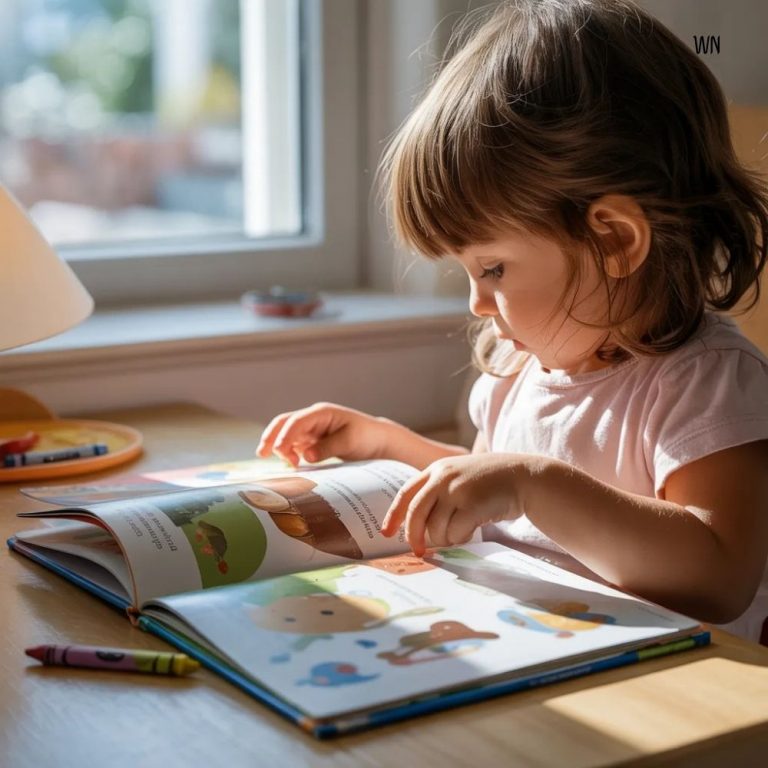
When a habit is consistently part of daily life, children absorb it without needing to think about it. Brushing teeth, eating meals, going outside, and winding down before bed become normal simply because they happen regularly.
Pressure often enters when adults feel the need to convince rather than model. Healthy habits grow best when they feel like a natural part of life, not a lesson that needs to be enforced.
Pressure Often Creates Resistance, Even With Good Intentions
Pressure does not always look harsh. It can be subtle, like constant reminders, comparisons, rewards tied to behavior, or disappointment when expectations aren’t met. Even gentle pressure can make children feel monitored rather than supported.
When a habit becomes something a child feels judged on, it often loses its positive association. Eating vegetables can turn into a power struggle. Physical activity can feel like a chore. Sleep routines can feel restrictive rather than comforting.
Children are highly sensitive to emotional tone. They often respond more to how something feels than to what it is. Habits linked to tension are less likely to stick over time.
Consistency Builds Safety, Not Control
Consistency is sometimes confused with strictness, but they are not the same. Consistency means that certain things happen regularly, not that they are enforced rigidly. Children thrive when they know what to expect, especially in daily routines.
Predictable meals, bedtime rhythms, and shared activities create a sense of safety. Within that safety, children are more open to participating willingly. When routines are predictable but flexible, children feel supported rather than controlled.
Healthy habits built on consistency tend to feel stable and reassuring, which makes them easier to maintain as children grow.
Modeling Matters More Than Monitoring
Children watch closely, even when it seems like they aren’t paying attention. They notice how adults eat, move, rest, and talk about their bodies. These observations shape their understanding of health more deeply than instructions ever could.
When children see adults eating balanced meals without guilt, moving in enjoyable ways, and resting without apology, they internalize those behaviors as normal. When adults constantly criticize themselves or treat health as a performance, children absorb that too.
Encouraging healthy habits often begins with modeling a calm, balanced relationship with health rather than focusing on children’s behavior directly.
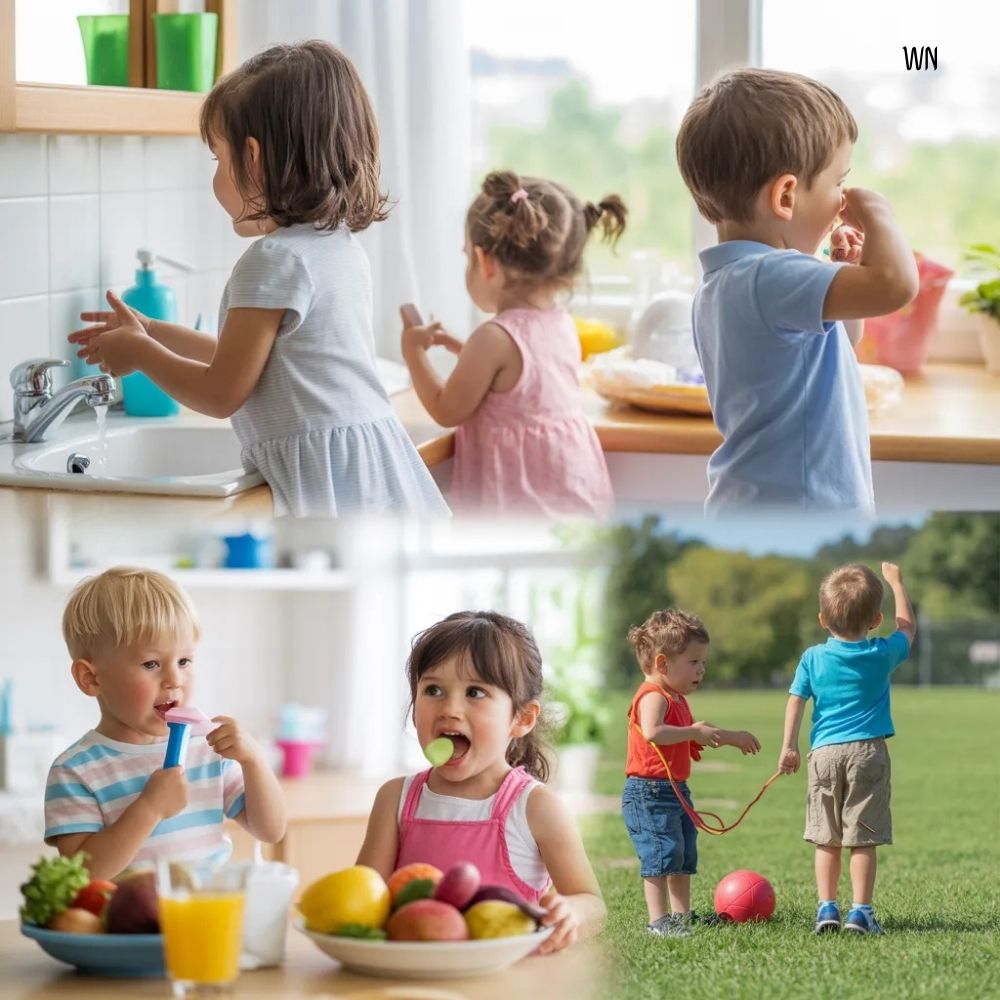
Autonomy Helps Habits Feel Safe and Sustainable
Children need a sense of autonomy to develop confidence and trust in themselves. When every habit is controlled externally, children may comply temporarily but struggle to maintain those habits independently later on.
Offering choices within boundaries supports autonomy. Letting children choose between options, such as which fruit to eat or which activity to do outside, helps them feel involved rather than directed. This involvement increases willingness and reduces resistance.
Autonomy does not mean absence of guidance. It means collaboration rather than control.
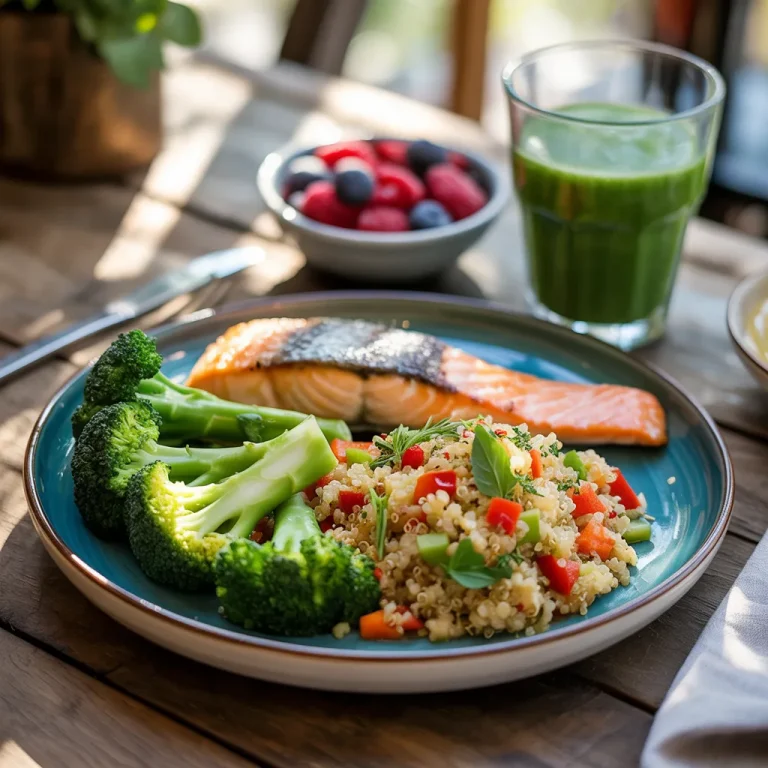
Food Habits Grow Through Exposure, Not Force
Food is one of the most common areas where pressure appears. Many parents worry about nutrition and feel responsible for making sure children eat “well.” While that concern is understandable, force rarely leads to lasting positive habits.
Repeated exposure to a variety of foods in a neutral environment is far more effective than pressure. When food is offered without expectation or commentary, children feel safer exploring it. Over time, familiarity reduces hesitation.
Healthy eating habits develop when food feels predictable, available, and emotionally neutral rather than something that determines approval or success.
Movement Should Feel Enjoyable, Not Evaluated
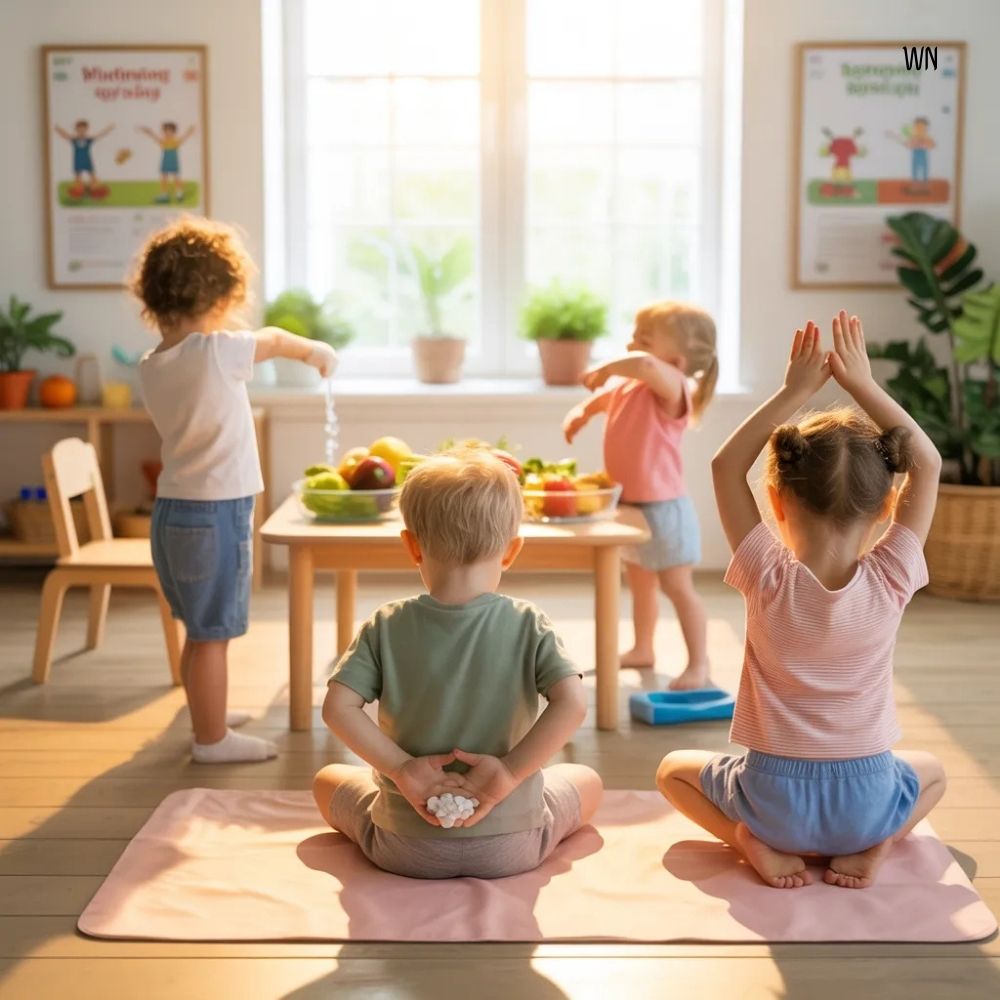
Physical activity supports health in many ways, but children are unlikely to embrace it if it feels measured or judged. Movement becomes meaningful when it’s associated with play, freedom, and enjoyment rather than performance.
Unstructured play, family walks, biking, dancing, and outdoor exploration all encourage movement without pressure. When movement is framed as something bodies enjoy rather than something bodies need to fix, children are more likely to stay active naturally.
Healthy movement habits grow from joy, not obligation.
Rest and Sleep Thrive in Calm Environments
Sleep routines are another area where pressure can quietly build. When bedtime becomes a battleground, the emotional stress often interferes with the very rest parents are trying to protect.
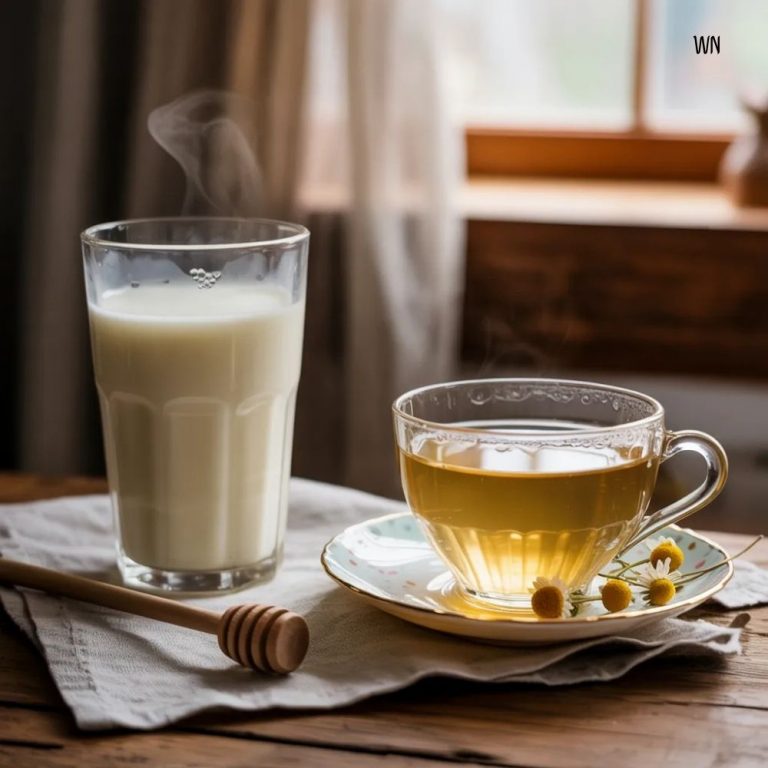
Creating a calming wind-down routine supports sleep better than enforcing strict rules. Predictable cues, like dimming lights, reading, or quiet time, help the nervous system shift naturally into rest.
When children associate bedtime with calm and connection rather than tension, sleep habits become easier to maintain.
Emotional Safety Supports All Healthy Habits
Healthy habits do not exist in isolation. They are influenced by how safe children feel emotionally. When children feel heard, respected, and supported, they are more receptive to guidance in all areas of life.
Emotional safety allows children to make mistakes, try new things, and learn without fear of disappointment. This safety supports long-term habit development far more than correction or pressure.
Listening, validating feelings, and maintaining connection even when habits aren’t followed perfectly builds trust that supports health over time.
Habits Take Time, and That’s Normal
It’s easy to forget that habits develop slowly. Children change as they grow, and their needs, preferences, and routines evolve. What works at one stage may not work at another.
Encouraging healthy habits without pressure means allowing room for change. It means focusing on direction rather than perfection. Progress often looks uneven, and that’s part of the process. Patience supports habit formation better than urgency.
Ultimately, encouraging healthy habits without pressure is about trust. Trust in the child’s ability to learn, adapt, and grow. Trust in routines rather than control. Trust that consistency and care will have an impact over time.
When habits are supported gently, children are more likely to carry them into adulthood. They learn not just what to do, but how to listen to themselves and respond to their needs.
Final Thoughts
Encouraging healthy habits in children does not require pressure, perfection, or constant correction. It requires consistency, modeling, emotional safety, and patience. When habits are woven into daily life with care rather than enforcement, they become part of a child’s sense of normal.
We encourage you to focus on creating environments that support health rather than trying to control outcomes. Over time, these environments help healthy habits grow naturally, supporting children not just in childhood, but throughout their lives.