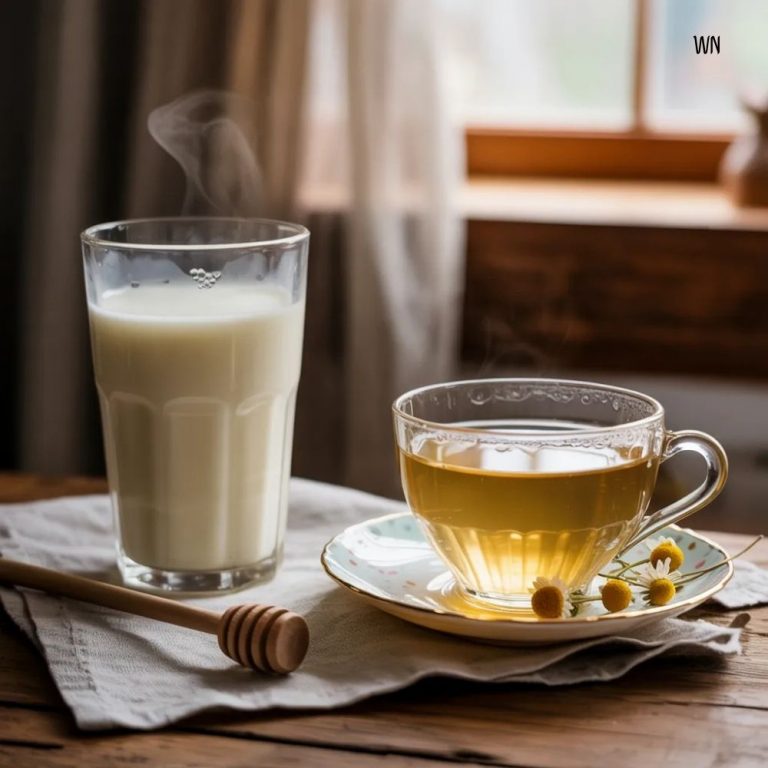
Simple Ways to Build Nourishing Meals Without Overthinking
For many people, the idea of eating well feels heavier than it needs to. Not because food is complicated, but because information around food often is. Advice comes in layers: macros, timing, lists of foods to avoid, lists of foods to prioritize, rules that contradict one another depending on the source. Over time, building a…
For many people, the idea of eating well feels heavier than it needs to. Not because food is complicated, but because information around food often is.
Advice comes in layers: macros, timing, lists of foods to avoid, lists of foods to prioritize, rules that contradict one another depending on the source. Over time, building a simple meal can start to feel like a decision-making task rather than an act of care.
We want to step away from that pressure and talk about how to build nourishing meals without overthinking. Not by ignoring nutrition, but by understanding it in a practical, forgiving way.
Nourishment is not created through perfect combinations. It’s built through meals that provide energy, satisfaction, and steadiness, and that fit into real life without mental strain.
Nourishing Meals Start With Support, Not Strategy
A nourishing meal is one that supports your body for the hours that follow. That support shows up as steady energy, manageable hunger, and a sense of satisfaction that allows you to move on with your day without thinking about food constantly.
When meals miss this mark, it’s rarely because they were “wrong.” It’s usually because they didn’t include enough of what the body needed in that moment.
Overthinking often comes from trying to optimize every detail instead of focusing on basic support. You don’t need to calculate or follow strict frameworks to eat in a way that feels grounding.
Most nourishing meals share a few simple qualities, regardless of cuisine or preference. They include enough energy, enough substance, and enough enjoyment to feel complete.
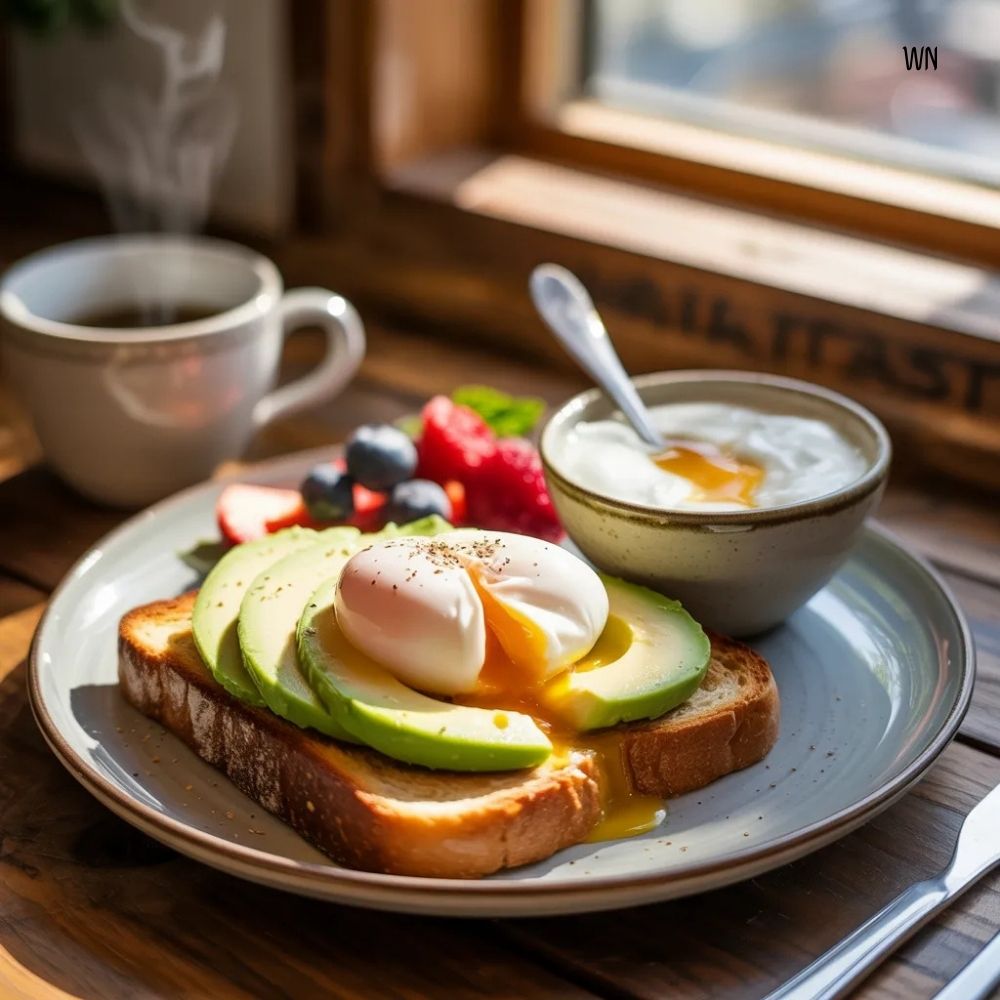
Why Simplicity Often Works Better Than Precision
The body doesn’t require precision to function well. It responds to patterns, consistency, and adequacy more than exact ratios. Meals that are simple and familiar often digest better, feel more satisfying, and are easier to repeat.
When meals become overly complex, they also become harder to maintain. This can lead to skipping meals, under-eating, or relying on convenience foods out of exhaustion rather than choice. Simplicity removes friction.
A simple meal is not a lesser meal. It’s often the one your body recognizes and uses best.
A Gentle Framework That Doesn’t Feel Like Rules
Instead of rules, it can help to think in terms of building blocks. Not every meal needs every block, but most nourishing meals include some combination of the following:
A source of energy, usually carbohydrates, that helps fuel the brain and body
A source of staying power, usually protein and/or fat, that slows digestion and supports fullness
A source of familiarity or pleasure, something that makes the meal feel enjoyable rather than clinical
This framework is intentionally flexible. It applies to home-cooked meals, takeout, and quick assembly meals alike. It’s not about balance on a plate, but balance in how the meal makes you feel afterward.
Letting Go of “Healthy” vs “Unhealthy” Labels
One reason meals become overcomplicated is the pressure to make them “healthy” by external standards. This often leads to removing foods instead of adding support. Meals become lighter, smaller, or less satisfying in an attempt to meet an idea rather than a need.
Nourishment is not about moral value. A meal can include comforting, familiar foods and still support health if it provides enough energy and satisfaction.
In fact, meals that feel emotionally satisfying often reduce overeating later because the body feels cared for rather than restricted. Letting go of labels makes room for meals that actually work.
Building Meals That Hold You Until the Next One
One of the clearest signs a meal is nourishing is that it holds you comfortably until the next time you plan to eat. When meals leave you thinking about snacks within an hour, it’s not a willpower issue. It’s usually a composition issue.
Meals that feel steady tend to include something grounding. This might be a starch, a protein, or a fat source that slows digestion. Without this grounding element, energy rises and falls quickly. Building meals that last doesn’t require heaviness. It requires intention.

A Clear, No-Stress Meal-Building Guide
When you’re deciding what to eat and don’t want to think too much, this gentle process can help:
First, ask yourself what sounds doable, not what sounds ideal. This keeps the decision grounded in reality.
Next, choose one main item you actually want to eat. This could be leftovers, toast, rice, pasta, soup, a sandwich, or something ready-made.
Then, ask what could help this meal feel more complete. Often the answer is adding protein, adding a fat, or increasing the portion of what’s already there.
Finally, allow the meal to be enough. Resist the urge to “fix” it with rules or comparison. This process turns meal-building into support rather than performance.
A Nourishing, Actually Satisfying Example Recipe
Here’s an example of a simple, genuinely good-tasting meal that follows this approach. It’s not about being impressive. It’s about being steady, comforting, and repeatable.
Creamy Chicken & Rice Skillet (Comforting, Filling, and Flexible)
This is the kind of meal that works for lunch or dinner and reheats well, making it supportive beyond one sitting.
Ingredients
- Cooked chicken thighs or breast, chopped or shredded
- Cooked rice (white or brown, whatever you prefer)
- Olive oil or butter
- Onion or garlic (optional but flavorful)
- Cream or full-fat milk
- Salt and black pepper
- Optional add-ins: frozen peas, mushrooms, spinach, or grated cheese
How It Comes Together
Warm a pan over medium heat and add olive oil or butter. If using onion or garlic, cook until soft and fragrant. Add the cooked chicken and let it warm through, allowing some browning for flavor. Stir in the rice and mix until everything is evenly combined and warm.
Lower the heat slightly and pour in a small amount of cream or milk, just enough to coat the rice and chicken. Season with salt and pepper, and add any vegetables you like. Let it simmer gently until everything feels cohesive and creamy, not soupy. Finish with cheese if you want extra richness.
Why This Works
This meal provides steady energy from rice, protein from chicken, and fat from dairy or oil. It’s comforting without being heavy, flexible without being bland, and filling enough to last several hours. Most importantly, it tastes good, which matters more than many nutrition conversations acknowledge.
Nourishment Includes Enjoyment
A meal that tastes good sends a signal of safety and satisfaction to the nervous system. When enjoyment is missing, the body often continues to seek fulfillment, even if calories were consumed.
This is why overly “clean” or restrictive meals often lead to continued snacking or dissatisfaction. Enjoyment is not indulgence. It’s feedback that the body recognizes nourishment. Meals don’t need to be exciting every time, but they should feel pleasant.
Nourishing Meals Adapt to Life
Some days meals are cooked. Some days they’re assembled. Some days they’re bought. Nourishment is not defined by effort.
What matters is that meals meet your body where it is. On low-energy days, simple and comforting may be most supportive. On higher-energy days, variety may feel good. Both count. Healthy eating lives in adaptation, not rigidity.
Final Thoughts
Building nourishing meals does not require strict rules, complex planning, or constant thought. It requires attention to how food makes you feel over time, and a willingness to choose support over perfection.
We encourage you to simplify where possible. Choose meals that feel grounding, satisfying, and doable. When food becomes something that supports your day rather than something you manage, nourishment starts to happen naturally, without overthinking at all.