Daily Habits That Help Support Children’s Immune Health
When children get sick often, many parents instinctively look for a quick fix. Extra vitamins, special foods, or strict rules can start to feel like the answer. Yet children’s immune health rarely depends on one product or one action. It’s shaped quietly, day by day, through routines that support the body’s ability to respond, recover,…
When children get sick often, many parents instinctively look for a quick fix. Extra vitamins, special foods, or strict rules can start to feel like the answer. Yet children’s immune health rarely depends on one product or one action. It’s shaped quietly, day by day, through routines that support the body’s ability to respond, recover, and adapt.
We want to talk about immune health in a grounded, realistic way. Not as something fragile that needs constant intervention, but as a system that grows stronger when everyday habits support it. For children especially, consistency matters more than intensity. The small things you do daily often have a greater impact than anything done occasionally.
Immune Health Is Built Through Everyday Stability
A child’s immune system is still developing. It learns by encountering the world, responding to challenges, and then resting and repairing. This process works best when the body feels stable and supported overall. That stability comes from predictable routines rather than constant adjustments.
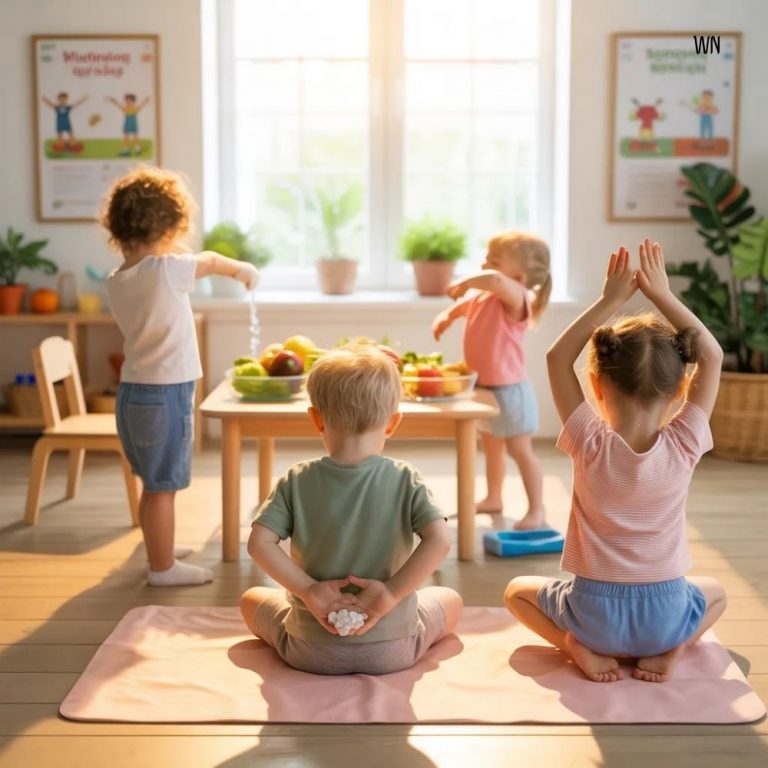
When days follow a general rhythm, regular meals, regular sleep, regular movement, the body knows what to expect. This predictability reduces unnecessary stress on the immune system, allowing it to focus on learning and responding appropriately rather than constantly reacting to change.
Children don’t need perfect routines, but they benefit from familiar patterns. Even simple consistencies, like eating around the same times or having a calm bedtime sequence, can support immune function by helping the body regulate itself more efficiently.
Sleep Plays a Bigger Role Than Most Parents Realize
Sleep is one of the most important supports for immune health, yet it’s often underestimated. During sleep, the body produces and regulates immune cells that help fight infections and remember past exposures. When sleep is irregular or insufficient, this process becomes less efficient.
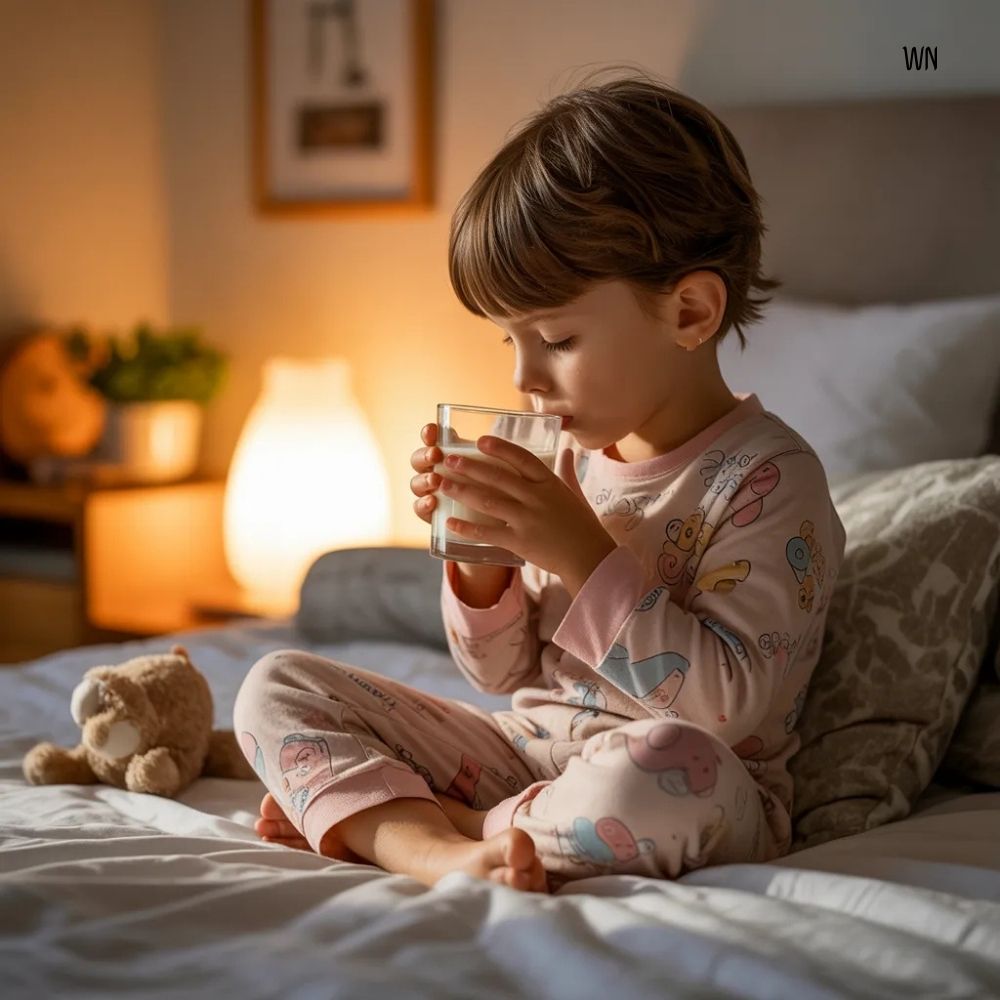
For children, sleep quality matters just as much as sleep duration. A calm wind-down routine helps the nervous system shift into rest, making sleep deeper and more restorative. Bright lights, stimulation, or rushed bedtimes can interfere with this process, even if total sleep hours look adequate on paper.
Supporting immune health doesn’t require rigid bedtimes, but it does benefit from consistency. When children go to bed feeling settled rather than overstimulated, their bodies use sleep more effectively to recover and strengthen defenses.
Regular, Nourishing Meals Support Immune Balance
Food supports immune health not through single “superfoods,” but through steady nourishment. Children’s bodies need energy, protein, and a range of nutrients to maintain immune cells and respond to everyday exposures. Skipping meals or relying heavily on snacks can leave the body working harder to maintain balance.
Regular meals help stabilize energy levels and support digestion, which is closely connected to immune function. When the body receives nourishment consistently, it can allocate resources toward immune support rather than constantly compensating for shortages.
This doesn’t mean every meal needs to be perfect. Familiar foods, repeated meals, and simple combinations all count. What matters is that children feel fed and satisfied, not restricted or rushed.
Outdoor Play Gently Trains the Immune System
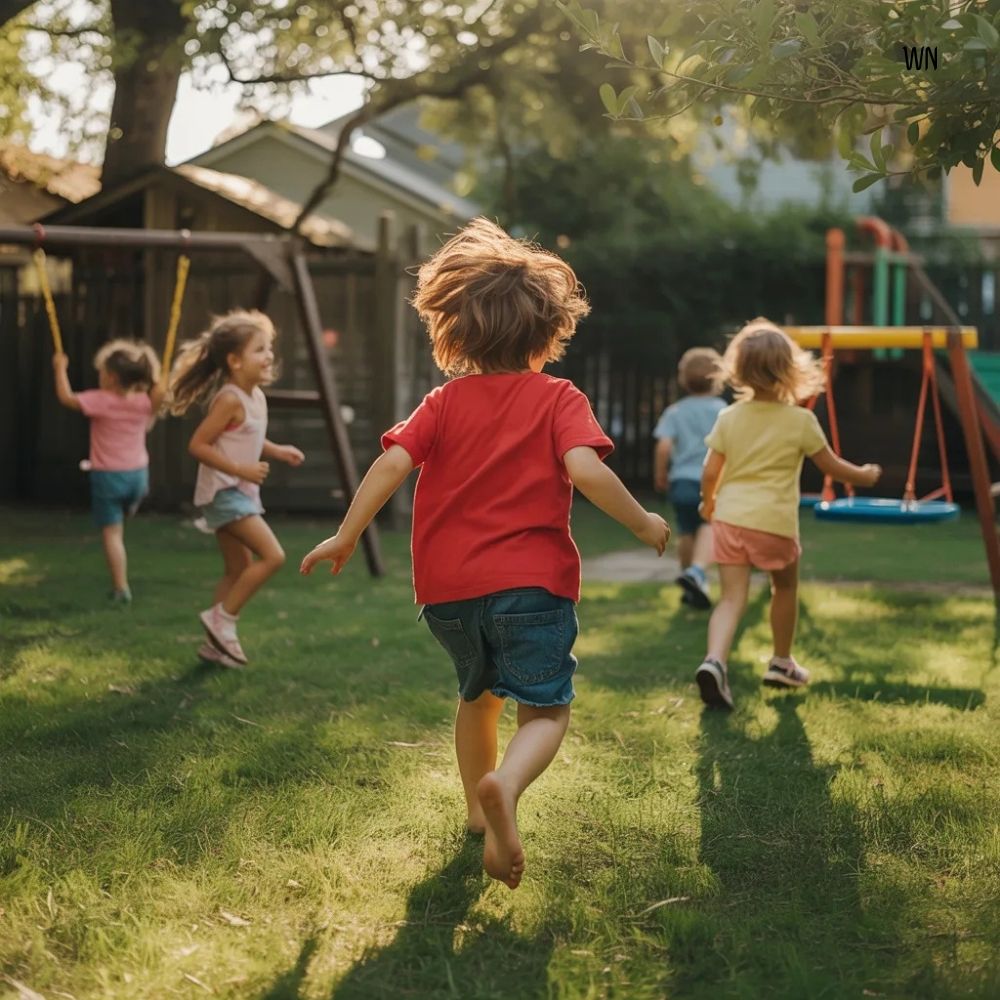
Movement and outdoor exposure play a quiet but important role in immune health. When children move regularly, circulation improves, helping immune cells travel more efficiently throughout the body. Outdoor play also exposes children to varied environments, which supports immune learning rather than weakening it.
Fresh air, natural light, and physical activity work together to support overall health. These experiences don’t need to be structured or athletic. Free play, walking, biking, or simply being outside provides enough stimulation to support immune development without stress.
What matters most is regular exposure. Daily outdoor time, even in small amounts, supports both physical health and emotional regulation, which indirectly benefits immune function.
Stress and Emotional Safety Affect Immunity
Children experience stress differently than adults, but their bodies respond just as strongly. Emotional stress can influence immune responses, making children more susceptible to illness or slower to recover. This doesn’t mean stress must be eliminated, but it does mean emotional safety matters.
Predictable routines, responsive caregiving, and feeling heard all help regulate stress levels. When children feel secure, their nervous systems remain more balanced, allowing immune processes to function smoothly.
Simple moments of connection, shared meals, calm conversations, physical affection, contribute to emotional regulation that supports immune health over time.
Hygiene Habits Matter, But Balance Is Important
Basic hygiene supports immune health by reducing unnecessary exposure to illness, but extremes can interfere with immune learning. Regular handwashing before meals and after using the bathroom is helpful, while excessive sanitizing may limit natural exposure that helps the immune system mature.
Teaching children gentle, consistent hygiene habits helps them participate in their own health without fear. When hygiene is framed as care rather than danger avoidance, children develop healthier relationships with their bodies and environments.
Balanced hygiene supports immune resilience rather than fragility.
Hydration Supports the Body’s Natural Defenses
Water plays an often overlooked role in immune support. Proper hydration helps maintain mucous membranes, supports circulation, and assists the body in clearing waste. Children may not always recognize thirst, especially during play, so gentle reminders help.
Offering water regularly rather than waiting for signs of thirst supports steady hydration. This habit becomes especially important during seasonal changes, physical activity, or illness recovery. Hydration is simple, but its impact is cumulative.
Illness Is Part of Immune Learning, Not Failure
It’s important to acknowledge that children will get sick. Frequent minor illnesses, especially in early childhood, are a normal part of immune development. Each exposure helps the immune system learn how to respond more efficiently in the future.
Supporting immune health does not mean preventing every illness. It means helping the body recover well and reducing unnecessary strain. When illness is treated as part of growth rather than a problem to eliminate, parents often feel less pressure and children feel more supported.
Rest, nourishment, and comfort during illness contribute to long-term resilience.
Supporting Immune Health Without Pressure
Children benefit when health habits feel natural rather than enforced. When routines are woven into daily life, children are more likely to adopt them without resistance.
This creates a positive feedback loop where health habits support well-being without becoming a source of stress. The goal is not control, but support. Immune health thrives when the body feels cared for, not monitored.
Final Thoughts
Children’s immune health is shaped less by special products and more by daily life. Sleep, regular meals, movement, emotional safety, and consistency all work together to support the body’s natural defenses over time.
We encourage you to focus on the habits that feel sustainable for your family. When daily routines support stability and care, children’s immune systems are given the environment they need to grow stronger, adapt, and recover, one ordinary day at a time.